
A high-performance hybrid device ideal for users whose snoring is caused by both jaw position and tongue obstruction[cite: 150, 2156].
Zyppah Review: Dual-Action Hybrid Airway Support
The Zyppah is a 'dual-action' hybrid device that distinguishes itself by simultaneously utilizing mandibular advancement and patented 'tongue band' technology[cite: 150, 463]. While the jaw advancement component opens the airway, the elastic tongue strap acts as a 'seatbelt' to prevent the tongue from falling backward into the throat-addressing the root cause of snoring more comprehensively than single-mechanism devices[cite: 150, 475, 476]. The device was invented by Dr. Jonathan Greenburg, a bioengineer and sleep specialist[cite: 482, 498]. It is manufactured in the USA from medical-grade, BPA-free, and latex-free thermoplastic elastomers[cite: 150, 2157]. Fitting involves a 45-second immersion in hot water followed by a 60-second bite to create a custom impression[cite: 151, 478, 479]. In a peer-reviewed clinical trial, 91% of users reported significant benefits in snoring reduction, though some users may require an acclimation period to overcome the initial gag reflex caused by the tongue strap[cite: 150, 151, 489].
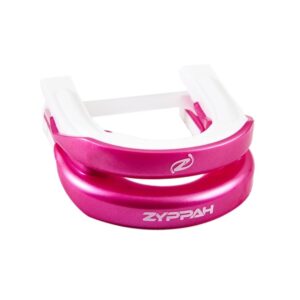
Table of Contents
Clinical Summary
Clinical Performance Metrics
Quantitative assessment based on clinical testing protocols
Snoring Reduction
91% of users reported clinical benefits, with significant improvements noted in snoring frequency and severity[cite: 463, 488].
Wearing Comfort
The tongue strap effectively stabilizes the airway but can trigger a gag reflex or excessive salivation during the initial break-in period[cite: 151, 2461].
Ease of Use
Uses a standard boil-and-bite fitting process that can be completed in minutes at home[cite: 151, 477].
Value for Money
Offers a unique hybrid mechanism and high clinical success rates for approximately $100[cite: 463, 464].
Quick Take
Key findings from our clinical evaluation
+
Strengths
- Dual-action design targets both jaw position and tongue stabilization [cite: 150, 501]
- Clinically proven to stop snoring in 91% of users [cite: 463, 489]
- Made in the USA from medical-grade, BPA-free materials [cite: 150, 2157]
- 91-day money-back guarantee provides a risk-free trial period [cite: 481, 496]
- Boil-and-bite customization allows for a personalized fit in minutes [cite: 151, 477]
−
Limitations
- Tongue strap may cause an initial gag reflex or discomfort [cite: 151, 2461]
- Device can cause temporary jaw or muscle soreness [cite: 2006, 2007]
- Requires multiple nights of adjustment for the tongue to acclimate [cite: 151]
Real-World Usage
Practical considerations for daily operation
Daily Routine Impact
Fits into a nightly routine after a brief break-in period. Users are encouraged to wear the device for 30 minutes to 2 hours while awake to acclimate to the tongue strap[cite: 2006].
Learning Curve
Comfortable within a week
Maintenance
Daily cleaning with mild soap and cool water is necessary to maintain hygiene and device integrity[cite: 356, 412].
Portability
High; lightweight and compact design includes a ventilated storage case[cite: 2157].
Manual Use
Purely mechanical device that requires manual boil-and-bite molding but no ongoing digital calibration.
Cost & Coverage Analysis
Financial considerations and HSA / FSA eligibility
Pricing Breakdown
HSA/FSA Guidance
Device is HSA/FSA eligible; users can use health benefits to cover the cost[cite: 445, 501].
Cost Comparison
Competitively priced around $100, which is higher than basic MADs but reflective of its hybrid technology[cite: 464, 472].
Patient Suitability
Clinical indications and contraindications
Indicated For
- • Snorers whose primary issue is tongue-base obstruction [cite: 475, 476]
- • Users seeking a clinically validated hybrid solution [cite: 150, 482]
- • Individuals who have found single-mechanism MADs ineffective [cite: 150]
Contraindications
- • Patients with severe respiratory issues or sleep apnea [cite: 2465]
- • Individuals with a highly sensitive gag reflex [cite: 151, 2461]
Age Considerations
Intended for use in adults 18 years of age and older[cite: 2002].
Clinical Efficacy Assessment
Evidence-based evaluation of clinical performance
Snoring Frequency Reduction
Measures the percentage reduction in snoring episodes recorded overnight.
Clinical results showed a 57% reduction in snoring frequency among test subjects[cite: 488].
Sleep Quality Improvement
Assess improvement in restorative sleep and reduction in daytime fatigue.
91% of users reported overall sleep benefits and improved morning alertness[cite: 489, 490].
AHI Improvement (if applicable)
Measures the reduction in the Apnea-Hypopnea Index (AHI) for OSA patients.
The device is specifically designed for snoring reduction and is not intended to treat sleep apnea[cite: 2464, 2465].
Partner-Reported Improvement
Evaluates the impact of the device on the bed partner's sleep environment.
60% of partners reported a significant improvement in their own sleep experience[cite: 488].
Comparative Performance
Ranked #15 of 20 clinically evaluated anti-snoring devices devices
ProSomnus EVO Sleep and Snore Device
ProSomnus
Panthera Classic (D-SAD)
Panthera Dental
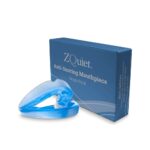
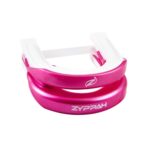
ZYPPAH Anti-Snoring Device
Zyppah
You're viewing this
ZYPPAH Anti-Snoring Device You're viewing this device
Zyppah
Clinical Context
Our #1-ranked anti-snoring devices device demonstrated superior performance across key clinical metrics. Compare detailed specifications to make an evidence-based selection.
Clinical Recommendation
Final assessment and prescribing guidance
The Zyppah is an exceptionally effective anti-snoring device for users who can acclimate to the tongue strap. Its unique hybrid mechanism offers a higher probability of success by stabilizing both the jaw and the tongue.
Recommend If
You want a clinically backed device that addresses snoring from multiple anatomical angles and you are comfortable with an initial acclimation period for your tongue.
Avoid If
You have a severe gag reflex or require a device specifically cleared for medical treatment of sleep apnea.
Clinical Summary
Composite Score
Recommendation
Price Point
Where to Buy
Verified purchase options and current availability
Zyppah, Inc.
91-day money-back guarantee; HSA/FSA eligible; Made in the USA[cite: 43, 44, 103].
Sleep Doctor
Top pick for tongue stabilization; FSA/HSA eligible[cite: 907, 1382].
Important Information
- • Prices and availability subject to change
- • Some devices may require a prescription
- • HSA / FSA eligibility: Rarely Eligible
- • Purchase from authorized retailers for warranty protection