A breakthrough in patient comfort and diagnostic accuracy, utilizing unique mandibular motion signals to detect sleep-disordered breathing without chest belts or finger probes.
Sunrise Home Sleep Test Review: Precision Mandibular Monitoring for Superior OSA Care
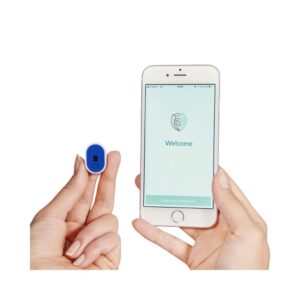
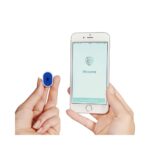
The Sunrise home sleep apnea test (HSAT) introduces a paradigm shift in diagnostics by focusing on mandibular jaw movements (MJM) as a proxy for respiratory effort. Traditional home tests often struggle with patient compliance due to uncomfortable wires, but Sunrise uses a single 3-gram sensor placed on the chin, which connects via Bluetooth to a smartphone app. This sensor tracks the trigeminal nerve drive, providing a high-fidelity look at how the brain regulates breathing during sleep. Landmark results from the SUNSAS trial demonstrated that the Sunrise diagnostic pathway can reduce the wait time for treatment initiation by more than 50% compared to traditional in-lab polysomnography (PSG). Beyond mere apnea detection, the device provides clinically validated sleep staging, respiratory effort-related arousals (RERAs), and differentiates between central and obstructive events. Its multi-night capability further enhances diagnostic confidence by capturing night-to-night variability.
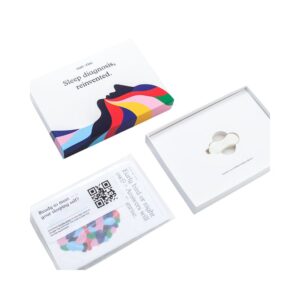
Table of Contents
Clinical Summary
Clinical Performance Metrics
Quantitative assessment based on clinical testing protocols
Diagnostic Accuracy
Clinical trials show a 90% agreement with PSG for OSA diagnosis and a 0.94 correlation for total sleep time.
Ease of Use
The single point of contact on the chin is intuitive, and the app provides step-by-step guidance, leading to high patient satisfaction scores.
Wearing Comfort
The ultra-light 3g chin sensor is significantly less intrusive than traditional belts, tubes, or finger sensors.
Value for Money
While it requires a prescription, the high diagnostic yield and reduction in follow-up 'failed nights' justify its cost.
Quick Take
Key findings from our clinical evaluation
+
Strengths
- Minimalist single-point-of-contact chin sensor
- AI-powered mandibular jaw movement (MJM) analysis
- Accurately distinguishes between obstructive and central events
- Multi-night testing improves diagnostic confidence
- Faster treatment initiation, cutting time-to-care by over 50%
−
Limitations
- Requires shaving for individuals with thick beards
- Mandatory smartphone requirement for operation
- Prescription-only model in the United States
Real-World Usage
Practical considerations for daily operation
Daily Routine Impact
Takes less than 5 minutes to set up before bed. The device is disposable and does not require mailing back bulky equipment, allowing users to wake up and immediately proceed with their day.
Learning Curve
Master in an hour
Maintenance
None; the sensor is single-use and disposable. A prepaid recycling envelope is typically provided for environmental disposal.
Portability
Highly portable; the sensor is roughly the weight of a sheet of paper (3g) and easily fits in travel bags.
Manual Use
The device cannot be operated manually; it requires the Sunrise companion app for synchronization and data transmission.
Cost & Coverage Analysis
Financial considerations and HSA / FSA eligibility
Pricing Breakdown
HSA/FSA Guidance
Covered by major insurers like Aetna and Medicare through clinical partners like Dreem Health when medically necessary.
Cost Comparison
Cost-effective compared to traditional Type III tests and roughly half the price of in-lab studies.
Patient Suitability
Clinical indications and contraindications
Indicated For
- • Individuals who find chest belts and nasal cannulas claustrophobic
- • Tech-savvy patients wanting rapid diagnostic turnaround
- • Clinicians needing accurate respiratory effort data without esophageal probes
Contraindications
- • Individuals with extensive facial hair who are unwilling to shave
- • Patients with unstable cardiac disease or complex respiratory failure
Age Considerations
FDA cleared for patients 18 years and older; some clinical studies involve pediatric populations but prescription guidelines remain adult-focused.
Clinical Efficacy Assessment
Evidence-based evaluation of clinical performance
AHI Detection Accuracy
Ability to accurately count apnea and hypopnea events.
MJM-derived RDI identified moderate-to-severe OSA with 0.88 to 0.92 accuracy compared to PSG.
Sleep Stage Identification
Accuracy in identifying REM and NREM states.
Demonstrated sensitivity of 83% and specificity of 89% for REM detection in 1,026 patients.
Respiratory Event Detection
Sensitivity in identifying specific arousals and effort levels.
Provides unique insight into respiratory effort burden, which correlates more strongly with patient fatigue than AHI alone.
In-Lab PSG Correlation
Statistical alignment with in-hospital studies.
Validated against both PSG and esophageal pressure (Pes), showing highly comparable respiratory effort signals.
Comparative Performance
Ranked #2 of 25 clinically evaluated home sleep tests devices
Withings Sleep Analyzer
Withings
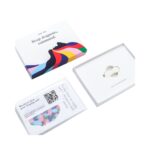
Sunrise Home Sleep Test
Sunrise SA
Sunrise Home Sleep Test Current
Sunrise SA
Clinical Context
This device scored 1 points behind the highest-rated device in this category. Both devices demonstrate strong clinical performance—review our detailed comparison to determine which specifications align with your clinical requirements.
Clinical Recommendation
Final assessment and prescribing guidance
The Sunrise home sleep test is a masterclass in modern medical engineering. By translating subtle jaw movements into high-accuracy sleep data, it provides a clinical-grade diagnosis with consumer-level convenience.
Recommend If
You want the least invasive sleep study possible that still carries clinical weight and faster access to treatment.
Avoid If
You are unable to use a smartphone app or have facial hair that you are unwilling to shave to ensure sensor adhesion.
Clinical Summary
Composite Score
Recommendation
Price Point
Where to Buy
Verified purchase options and current availability
Dreem Health
Official US clinical partner; provides prescription and physician interpretation.
Simple Sleep Test
Standard retail option; includes prepaid return envelope for sensor recycling.
Important Information
- • Prices and availability subject to change
- • Some devices may require a prescription
- • HSA / FSA eligibility: Usually Eligible
- • Purchase from authorized retailers for warranty protection
Alternative Devices
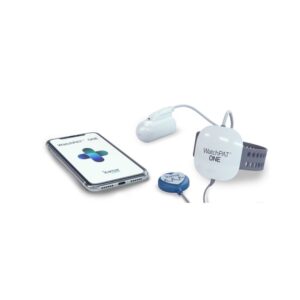
Sunrise matches the accuracy of the WatchPAT One but offers a more comfortable 'wireless' experience by avoiding fingertip probes and chest straps.