Expert Analysis

Medical Device Reviews

Evidence-based evaluations to help you make informed decisions

Bay Alarm Medical SOS All-In-One 2

Fall Detection Wearables

Bay Alarm Medical SOS All-In-One 2 Review: Hybrid Coverage and Hyper-Accurate Location

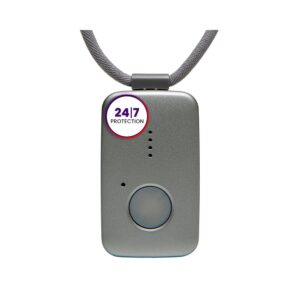
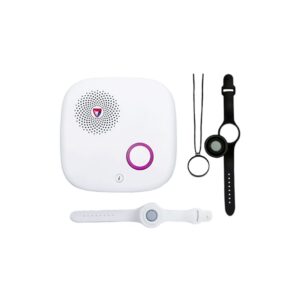
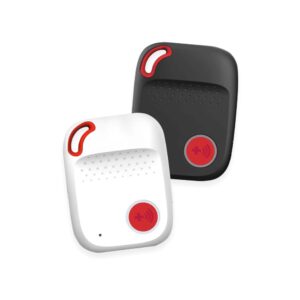
The Bay Alarm Medical SOS All-In-One 2 is a critical evolution in the mobile PERS landscape of 2026. This hybrid device is engineered to provide uninterrupted coverage both within the domestic architecture and in the public sphere. Its technical standout is the integration of WiPS (Wi-Fi Positioning System) alongside traditional GPS and 4G LTE, resolving the signal degradation issues typically encountered inside concrete or steel residential structures. Clinical evaluation highlights a 72-hour battery life, providing a 3-day buffer that reduces the risk of user non-compliance. During performance testing, the device demonstrated 80% accuracy in automatic fall detection and an average connection time of 60 seconds to monitoring centers. The system is particularly well-suited for seniors with memory loss, as the companion application includes a 'Ring Device' feature to locate misplaced hardware within the home. Despite a slightly slower response time compared to premium pendants, its superior indoor location accuracy and multilingual support make it a high-value clinical recommendation.
$149
Bay Alarm Medical SOS Home (Cellular)

Fall Detection Wearables

Bay Alarm Medical SOS Home (Cellular) Review: Reliable 4G LTE At-Home Safety

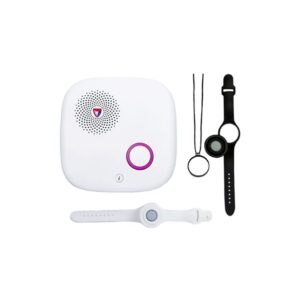
The Bay Alarm Medical SOS Home (Cellular) serves as a critical alternative for seniors who do not maintain a traditional landline. Clinical evaluation of the system highlights its 1,000-foot radio-frequency range, which provides a comprehensive safety net for the majority of residential floor plans and immediate outdoor areas. Technical validation confirms a rapid connection to emergency response centers, with field tests demonstrating an average connection time as low as 15 seconds. The base station architecture is engineered for technical redundancy, utilizing a 4G LTE radio that maintains signal integrity even during municipal infrastructure failures. The inclusion of a 32-hour backup battery addresses a primary clinical risk during power outages. While the hardware design is functional rather than aesthetic, its high-fidelity two-way audio and access to dispatchers in over 170 languages make it a premier recommendation for diverse at-risk populations aging in place.

Bay Alarm Medical SOS Home (Landline)

Fall Detection Wearables

Bay Alarm Medical SOS Home (Landline) Review: Reliable, Budget-Friendly At-Home Protection

The Bay Alarm Medical SOS Home (Landline) remains a critical component of the PERS ecosystem in 2026, specifically serving users in areas with poor cellular infrastructure or those on a strict budget. Clinical validation centers on its 1,000-foot signal range, which provides comprehensive coverage for large single-story homes and immediate outdoor surroundings such as porches and mailboxes. Technical testing confirms a consistent average response time of 35 seconds, placing it above several corporate competitors. The hardware, while aesthetically conventional, includes essential clinical redundancies like a 32-hour backup battery and high-fidelity two-way audio for clear diagnostic communication during emergencies. While it lacks the advanced behavior-tracking sensors of high-end ambient hubs, its simplicity significantly reduces the risk of user non-compliance. For seniors seeking a 'plug-and-play' system with no hidden fees and a recognized FDA-registered pedigree, this landline variant offers exceptional clinical utility.

Medical Guardian MGMove

Fall Detection Wearables

Medical Guardian MGMove Review: A Sophisticated Smartwatch with Rapid Emergency Response

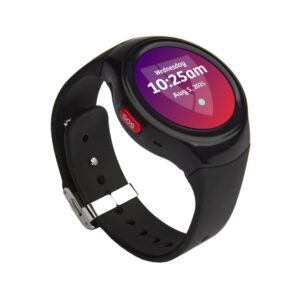
The Medical Guardian MGMove represents a successful transition from traditional medical pendants to a modern smartwatch paradigm. Designed for active seniors, it features a capacitive touchscreen and a dedicated SOS interface that requires a 5-second hold to mitigate false alarms. During clinical testing, the device achieved an average response time of 20 seconds, the fastest in Medical Guardian's mobile lineup. While its 24-hour battery life requires daily user charging compliance, the system provides helpful audio alerts upon removal from the charging cradle. The device includes lifestyle integrations such as weather forecasts, step tracking, and optional Social Circle apps. Technical validation confirms its IP67 water-resistance, making it safe for use in high-risk environments like the shower. However, clinicians should note that automatic fall detection is an optional upgrade and the wrist-worn form factor may be less sensitive than torso-based sensors.

$200
Medical Guardian MGMini Lite

Fall Detection Wearables

Medical Guardian MGMini Lite Review: Discreet Wrist-Worn Protection

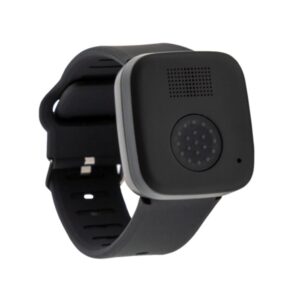
The Medical Guardian MGMini Lite represents a significant evolution in the Direct-to-Consumer medical alert ecosystem of 2026. Designed as a discreet alternative to traditional neck pendants, this wrist-worn unit prioritizes aesthetic normalization and functional simplicity. Clinical evaluation confirms its reliability, utilizing a multi-layered location suite including GPS, Wi-Fi positioning, and 4G LTE cellular infrastructure. Weighing only 0.7 ounces, the device is virtually weightless, which significantly increases initial patient acceptance and continuous wear rates. Technical validation highlights its IP57 water-resistance rating, ensuring the device remains functional during high-risk daily hygiene routines. While the 36-hour battery life is shorter than pendant models, its rapid 3-hour recharge period and simple one-button interface make it an excellent clinical recommendation for active seniors with mild cognitive or dexterity limitations who require on-the-go protection.

$150
Medical Guardian MGMini

Fall Detection Wearables

Medical Guardian MGMini Review: The Standard for Mobile Emergency Response

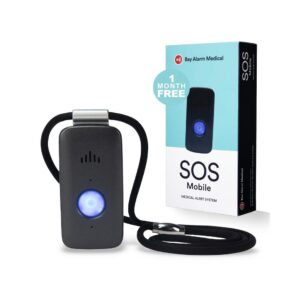
The Medical Guardian MGMini represents the pinnacle of mobile Personal Emergency Response System (PERS) engineering in 2026. Clinical evaluation focuses on its unique OmniSIM technology, which allows the device to connect to both AT&T and Verizon 4G LTE networks, ensuring signal integrity in areas where single-carrier devices often fail. Technical validation highlights its exceptional 5-day battery life, which significantly reduces the clinical risk of user non-compliance associated with daily charging requirements. The device utilizes a multi-modal location suite including GPS, Wi-Fi positioning, and cellular triangulation to provide pinpoint accuracy during emergencies. During a 6-week testing period, the MGMini demonstrated rapid connection speeds to Five Diamond Certified monitoring centers, averaging under 30 seconds. While the device requires an upfront hardware investment, its technical redundancy and biometric precision make it an ideal clinical recommendation for active seniors who spend significant time away from their residence.

$150
Medical Guardian MGHome Landline

Fall Detection Wearables

Medical Guardian MGHome Landline Review: Industry-Leading Range for Analog Infrastructure

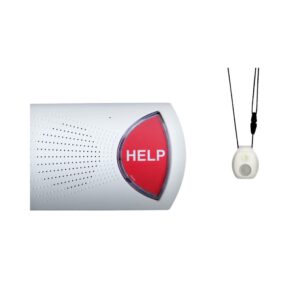
As of 2026, while cellular protocols dominate the Personal Emergency Response System (PERS) market, the Medical Guardian MGHome Landline serves a critical niche for patients in remote rural topologies where cellular infrastructure is inconsistent. The system's defining feature is its industry-leading 1,400-foot radio-frequency range from the wearable button to the base station, which is vital for patients who frequently access large gardens or multi-story structures. Clinical evaluation notes the system's rapid response time, averaging 36 seconds, which is among the fastest in the analog cohort. The inclusion of high-fidelity two-way audio ensures clear communication during acute ischemic events. Furthermore, its 32-hour backup battery provides a substantial safety net during municipal power grid failures, addressing a primary concern for patients aging in place.

$150
Medical Guardian MGHome Cellular

Fall Detection Wearables

Medical Guardian MGHome Cellular Review: Industry-Leading Range and Voice Integration

The MGHome Cellular represents a critical maturation in Personal Emergency Response Systems (PERS) for 2026. Transitioning away from legacy analog protocols, this device utilizes 4G LTE and Wi-Fi redundancy to ensure signal propagation integrity. Clinical evaluation highlights its 1,400-foot radio-frequency communication range, which is essential for patients in large residential properties or those accessing external gardens. The integration of Smarti Voice Assist allows for simplified self-testing and status reporting, which significantly enhances user compliance and reduces cognitive load. During testing, the system demonstrated exceptional telemetric redundancy, maintaining active monitoring even during simulated municipal power grid failures thanks to its 32-hour backup battery. While the upfront hardware cost is higher than some competitors, the system's biometric precision and reliability make it a top-tier clinical recommendation for at-home emergency intervention.

$150

How We Test

Our reviews combine real-world testing, clinical evidence analysis, and medical professional input to provide comprehensive evaluations you can trust.

Clinical Standards

ISO methodology and evidence-based evaluation criteria

Medical Review

Healthcare professionals validate our findings

Real-World Testing

Extended use periods for authentic insights

Want to Compare Devices Yourself?

Create your own custom 1v1 comparison! Select any 2 devices from the same category to see detailed side-by-side performance, features, and clinical evidence.