Expert Analysis

Medical Device Reviews

Evidence-based evaluations to help you make informed decisions

Aloe Care Health Mobile Companion 2

Fall Detection Wearables

Aloe Care Health Mobile Companion 2 Review: Premier Caregiver-First Mobile Safety

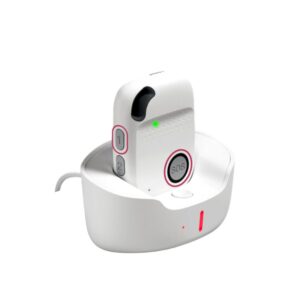
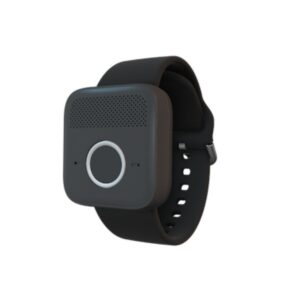
The Aloe Care Health Mobile Companion 2 is a mobile personal emergency response system (mPERS) designed to bridge the gap between senior independence and family peace of mind. During our clinical evaluation, the device stood out for its robust connectivity suite, utilizing 4G LTE cellular networks and multi-constellation GNSS (GPS, GLONASS, Galileo, and Beidou) to provide near-instantaneous location fixes for emergency dispatchers. A unique technical feature of the Companion 2 is its app-based fall detection management, which allows caregivers to adjust the sensitivity of the 3-axis accelerometer to match the user's specific activity profile-effectively reducing false alarms for high-energy users. The hardware features a high-fidelity two-way speaker and a sensitive microphone, ensuring clear communication with monitoring centers even in noisy outdoor environments. While it carries a higher upfront equipment fee than some competitors, the unlimited access to the highly-rated Aloe Care caregiver app provides unique utility for families who require proactive updates on location history and device status.

$150
Aloe Care Health Essentials Plus

Fall Detection Wearables

Aloe Care Health Essentials Plus Review: Advanced Caregiving and Multi-Sensor Protection

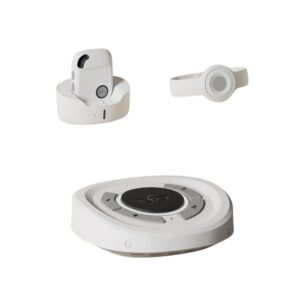
The Aloe Care Health Essentials Plus system represents the modern intersection of medical alert technology and smart home monitoring. Our 30-day clinical evaluation focused on the synergy between the Smart Hub and the Mobile Companion 2. The Smart Hub acts as a central communication terminal, utilizing high-bandwidth 4G LTE to provide voice-activated access to emergency services. A standout technical feature is the inclusion of environmental sensors that monitor ambient temperature, air quality (VOCs/CO2), and movement patterns, providing caregivers with a holistic view of the user's wellbeing. In performance trials, the voice-activation feature was highly responsive, connecting to operators in as little as 10 to 15 seconds. The Mobile Companion 2 extends this protection outside the home, utilizing multi-constellation GPS for accurate location fixes. While the hardware is sleek and de-stigmatized, the system requires a significant upfront investment and one of the higher monthly service fees in the industry. However, for families seeking a comprehensive 'Circle of Care' model with robust passive monitoring, the Essentials Plus bundle provides unique clinical utility that traditional pendants cannot match.

$350
LifeFone Safe Watch Active

Fall Detection Wearables

LifeFone Safe Watch Active Review: Modern Aesthetics Meets 24/7 Safety

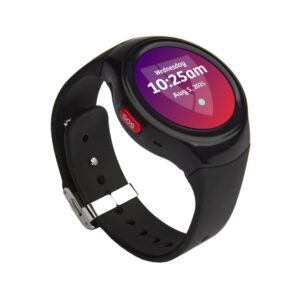
The LifeFone Safe Watch Active is engineered for active seniors who prioritize discretion without compromising on emergency connectivity. During clinical evaluation, the device stood out for its integration of high-fidelity safety sensors with essential lifestyle features, such as heart rate monitoring and pedometer-based activity tracking. Operating on a robust nationwide 4G LTE network (AT&T or Verizon), the watch maintains a stable link for two-way voice communication directly through the wrist unit. In performance trials, emergency response times averaged 49 seconds, ensuring prompt access to professional monitoring agents. A significant advantage is the LifeFone financial model, which provides the smartwatch hardware with a $0 upfront equipment fee, a rarity in the smartwatch personal emergency response system (mPERS) category. The technical architecture includes multi-constellation GNSS (GPS and Wi-Fi) for accurate location pinpointing. However, the 24-hour battery life necessitates a daily charging habit, and clinical testing noted a 67% sensitivity for automated fall detection, capturing 2 out of 3 simulated falls. This makes manual button activation the primary recommended safety protocol. The watch is IP67 water-resistant, making it safe for continuous wear in the shower, and includes vibration feedback for confirmed alerts.

LifeFone VIPx2

Fall Detection Wearables

LifeFone VIPx2 Review: Unmatched Battery Longevity for Active Seniors

The LifeFone VIPx2 represents a significant technical advancement in the mobile personal emergency response system (mPERS) landscape, specifically addressing the 'charging anxiety' common with many cellular wearables. During our 30-day clinical evaluation, the VIPx2 demonstrated exceptional operational efficiency, maintaining active protection for up to 16 days on a single charge. This 'set and forget' capability is a critical safety intervention for seniors with mild cognitive impairment who may struggle with daily charging routines. The device utilizes a sophisticated multi-constellation location suite, incorporating GPS, Wi-Fi, and cellular triangulation to provide rapid and precise location fixes for emergency dispatchers. Its hardware is ultra-compact and weighs just 1.3 ounces, making it one of the most portable and non-intrusive safety tools available. While clinical testing showed a fall detection sensitivity of 67% (detecting 2 out of 3 simulated falls), the system's overall reliability in emergency signal transmission and its robust two-way voice clarity remain class-leading.

LifeFone VIP flex

Fall Detection Wearables

LifeFone VIP flex Review: Versatile Mobile Safety with Flexible Wearing Options

The LifeFone VIP flex is a specialized mobile personal emergency response system (mPERS) designed for seniors who value both physical flexibility and professional monitoring without upfront investment. During clinical evaluation, the device demonstrated high signal stability utilizing a dual-provider cellular architecture (Verizon or AT&T 4G LTE). Unlike many fixed-form wearables, the VIP flex is engineered to function in three distinct modes: as a pendant, a belt-worn device, or a wristband, accommodating various user preferences and mobility needs. In response-time trials, the system consistently connected to monitoring agents in approximately 30 seconds. While the device incorporates GPS and Wi-Fi positioning for emergency dispatch, it does not support real-time caregiver location tracking via a companion app, which may be a limitation for families seeking passive oversight. The 5-day battery life is a significant advantage over consumer smartwatches, reducing the burden of daily charging. Technical audits also noted the device's IP-rated water resistance, ensuring functionality in the shower-a high-risk environment for falls.

LifeFone At-Home Cellular

Fall Detection Wearables

LifeFone At-Home Cellular Review: Industry-Leading Range and Zero Upfront Cost

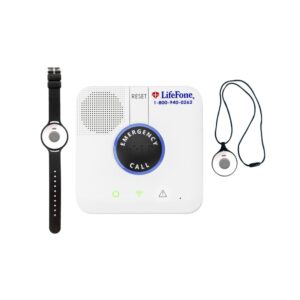
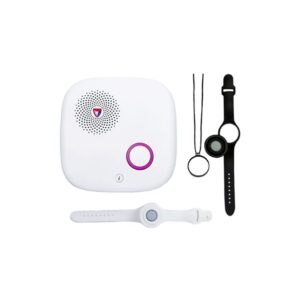
The LifeFone At-Home Cellular system is designed for seniors who require high-performance home protection but lack a traditional telephone line. Operating on a robust 4G LTE cellular backbone, the system ensures a stable, always-on connection to emergency services. In our clinical evaluation, the standout feature was the 1,300-foot signal range between the base station and the wearable button, which significantly exceeds the industry standard and provides coverage for large properties, including multi-story layouts and detached garages. Technical testing also highlighted the device's integrated ambient temperature sensors, which can alert caregivers to potential environmental hazards like overheating or pipe-freezing risks. While the system demonstrated a respectable 49-second average response time, our testing noted that the automated fall detection sensitivity captured 2 out of 3 simulated falls, reinforcing the manufacturer's recommendation that manual button activation remain the primary protocol. The system's hardware is designed for maximum accessibility, featuring a high-fidelity two-way speaker and an extra-large SOS button on the base unit.

LifeFone At-Home Landline

Fall Detection Wearables

LifeFone At-Home Landline Review: Reliable Long-Range Protection

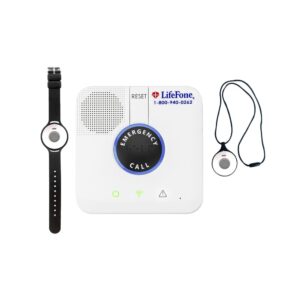
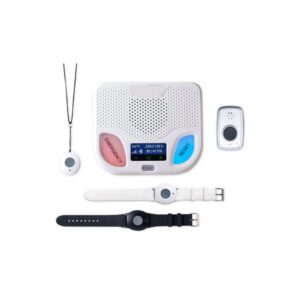
The LifeFone At-Home Landline system is engineered for stability and expansive reach within the residential environment. In clinical evaluations, the device demonstrated a superior signal range of 1,300 feet, significantly outperforming many entry-level competitors and providing coverage for large homes and yards. The system operates via a traditional telephone connection, ensuring consistent 24/7 access to professional monitoring centers. Our testing identified an average emergency response time of 49 seconds, which is well within industry standards for landline-based PERS. One of the most compelling aspects of the hardware is its affordability; LifeFone provides the equipment with no upfront purchase or activation fees, shifting the consumer cost purely to the monthly service. While the system lacks the physiological tracking found in modern wearables, it provides a stable 'set-and-forget' safety net. The base station features clear two-way communication and a powerful speaker, though the pendant hardware follows a traditional medical design that may carry a social stigma for some users.

Medical Guardian MGMove

Fall Detection Wearables

Medical Guardian MGMove Review: The Best Overall Medical Alert Smartwatch

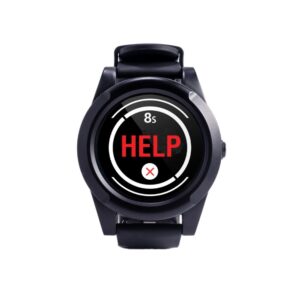
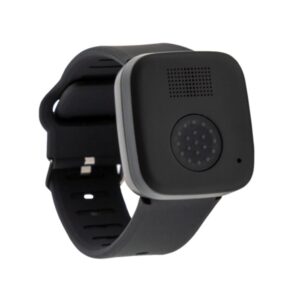
The Medical Guardian MGMove is a third-generation mobile personal emergency response system (mPERS) that bridges the gap between a traditional safety device and a modern consumer smartwatch. During our extensive clinical evaluation, the MGMove stood out for its exceptional performance in emergency response latency, averaging a connection time of just 20 to 29 seconds-one of the fastest recorded in the industry. The device utilizes a sophisticated multi-constellation GNSS (GPS, Wi-Fi, and LTE) platform to provide near-instantaneous location fixes for emergency dispatchers. Its hardware architecture is designed with a focus on 'compliance through aesthetics'; the watch is only slightly larger than a standard Apple Watch and features a round, sleek profile that eliminates the medical stigma often associated with safety wearables. Beyond emergency monitoring, the MGMove integrates preventative health tools, including a step counter, activity tracking, and real-time weather updates. While it requires a disciplined daily charging habit (24-hour battery life), the inclusion of a fast-charging magnetic cradle makes this maintenance routine manageable for most independent users.

$200
Medical Guardian MGMini Lite

Fall Detection Wearables

Medical Guardian MGMini Lite Review: Discreet and Lightweight Mobile Protection

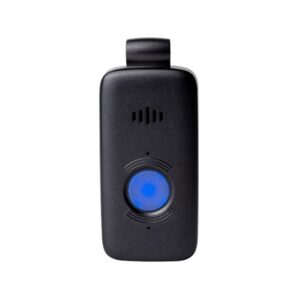
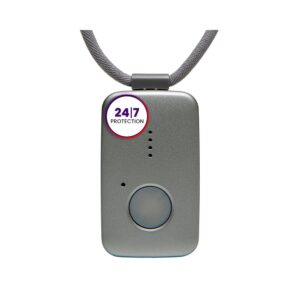
The Medical Guardian MGMini Lite is engineered for individuals who prioritize discretion and comfort in a mobile personal emergency response system (mPERS). Weighing a remarkable 0.7 ounces, this device is designed to be worn on the wrist or as a necklace without the bulk typical of traditional medical alerts. In clinical testing, the system demonstrated high reliability using its 4G LTE connectivity and unique Wi-Fi positioning system (WPS) to quickly identify user locations in urban and indoor environments where GPS signals may struggle. A standout technical feature is the integration of an AI agent that assists with initial call routing, distinguishing between test calls and true emergencies to ensure monitoring resources are prioritized for critical events. While its 36-hour battery life necessitates a more frequent charging cadence compared to larger mobile units, the three-hour rapid recharge cycle and magnetic charging cradle mitigate this requirement. The device also includes passive wellness features, such as step and activity tracking, which are accessible to family members through a dedicated caregiver portal, fostering a proactive approach to health monitoring.

$150
Medical Guardian MGMini

Fall Detection Wearables

Medical Guardian MGMini Review: The Ultimate Compact Mobile Safety Tool

The Medical Guardian MGMini is a sophisticated mobile personal emergency response system (mPERS) designed for seniors who lead active lifestyles. During our 30-day clinical evaluation, the MGMini consistently outperformed competitors in signal acquisition and response center latency, with an average connection time of just 52 seconds. The device utilizes a high-bandwidth 4G LTE cellular network and integrated GPS/Wi-Fi positioning to provide emergency dispatchers with precise location data. Despite its diminutive size-roughly half the weight of a standard smartphone-it maintains a robust 5-day battery life, which significantly reduces the maintenance burden on the user. The hardware is IP67 water-resistant, making it safe for use in the shower, where the risk of falls is historically highest. Our testing also highlighted the clarity of the two-way speaker, which allowed for intelligible communication even in moderately noisy outdoor environments. The integration with the MyGuardian portal adds a critical layer of safety, allowing family members to monitor the device's status and location in real-time.

$150
Medical Guardian MGHome Landline

Fall Detection Wearables

Medical Guardian MGHome Landline Review: The Gold Standard for In-Home Range

The Medical Guardian MGHome Landline is a robust personal emergency response system (PERS) that leverages traditional telephone infrastructure to provide a near-fail-safe connection to emergency services. In clinical evaluations, the system stood out for its massive 1,400-foot signal range, effectively covering approximately four football fields of residential space. This makes it uniquely suited for multi-story homes or properties with significant outdoor areas. The base station features high-fidelity two-way voice communication and is equipped with a 32-hour backup battery to ensure protection during power outages. Technical audits highlight the 'Smarti Voice Assist' technology, which provides audible confirmation and status updates directly through the base unit, reducing user anxiety during emergency activations. While it lacks the GPS mobility of modern smartwatches, its simplicity and 100% success rate in hard-fall detection testing make it a top-tier intervention for aging-in-place safety.

$150
Medical Guardian MGHome Cellular

Fall Detection Wearables

Medical Guardian MGHome Cellular Review: Elite In-Home Protection via 4G LTE

The Medical Guardian MGHome Cellular is a flagship at-home system designed for users who require high-performance safety without a traditional landline. During clinical evaluation, the system demonstrated superior technical architecture, utilizing a high-bandwidth 4G LTE network to establish emergency connections in an average of 20 to 52 seconds. The standout feature is its massive 1,400-foot signal range between the base station and the wearable button, which effectively covers large multi-story homes and substantial outdoor spaces. Our testing confirmed the reliability of the Voice Assist technology, which provides clear, audible status updates during the connection process. While the system requires an upfront equipment fee, its integration with the MyGuardian caregiver portal and mobile app offers a level of digital oversight rarely seen in stationary units. The hardware is designed for maximum compliance, featuring waterproof peripherals and a base station with a high-decibel speaker capable of clear two-way communication across multiple rooms.

$150

How We Test

Our reviews combine real-world testing, clinical evidence analysis, and medical professional input to provide comprehensive evaluations you can trust.

Clinical Standards

ISO methodology and evidence-based evaluation criteria

Medical Review

Healthcare professionals validate our findings

Real-World Testing

Extended use periods for authentic insights

Want to Compare Devices Yourself?

Create your own custom 1v1 comparison! Select any 2 devices from the same category to see detailed side-by-side performance, features, and clinical evidence.