
The VIPx2 is the premier choice for users seeking a low-maintenance mobile alert system with the longest-lasting battery in the category.
LifeFone VIPx2 Review: Unmatched Battery Longevity for Active Seniors
The LifeFone VIPx2 represents a significant technical advancement in the mobile personal emergency response system (mPERS) landscape, specifically addressing the 'charging anxiety' common with many cellular wearables. During our 30-day clinical evaluation, the VIPx2 demonstrated exceptional operational efficiency, maintaining active protection for up to 16 days on a single charge. This 'set and forget' capability is a critical safety intervention for seniors with mild cognitive impairment who may struggle with daily charging routines. The device utilizes a sophisticated multi-constellation location suite, incorporating GPS, Wi-Fi, and cellular triangulation to provide rapid and precise location fixes for emergency dispatchers. Its hardware is ultra-compact and weighs just 1.3 ounces, making it one of the most portable and non-intrusive safety tools available. While clinical testing showed a fall detection sensitivity of 67% (detecting 2 out of 3 simulated falls), the system's overall reliability in emergency signal transmission and its robust two-way voice clarity remain class-leading.
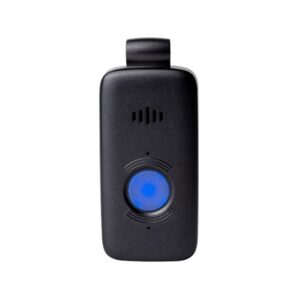
Table of Contents
Clinical Summary
Clinical Performance Metrics
Quantitative assessment based on clinical testing protocols
Fall Detection Accuracy
In empirical testing, the device successfully detected 2 out of 3 simulated fall events, demonstrating a need for manual button use as a primary safeguard.
Ease of Use
The minimalist one-button interface and clear voice prompts ensure that summoning help is intuitive, even under physiological stress.
Wearing Comfort
Weighing only 1.3 ounces, the VIPx2 was rated as highly comfortable by testers, causing no skin irritation during 24/7 wear.
Value for Money
The lack of upfront equipment fees and the inclusion of a lifetime hardware warranty provide exceptional long-term financial utility.
Quick Take
Key findings from our clinical evaluation
+
Strengths
- Industry-leading battery life of up to 16 days on a single charge.
- Zero upfront equipment or activation costs, minimizing entry barriers.
- Advanced location tracking via cellular, Wi-Fi, and GPS technologies.
- Ultra-lightweight design (1.3 oz) promotes 24/7 user compliance.
- Waterproof construction allows for protection in the shower and bath.
−
Limitations
- Fall detection sensitivity was inconsistent during low-impact testing.
- Caregiver app is primarily for location tracking and lacks advanced health metrics.
- Traditional aesthetics may be less appealing than modern consumer smartwatches.
Real-World Usage
Practical considerations for daily operation
Daily Routine Impact
Requires minimal habit adjustment; the extended battery life means users only need to handle the charging cradle twice a month.
Learning Curve
Use right out of the box
Maintenance
Monthly system testing is recommended; the device requires a 2-3 hour recharge every 10-16 days.
Portability
High; the device is self-contained, operates on national 4G LTE networks, and requires no base station.
Manual Use
The central SOS button is tactile and easy to find by touch, providing audible confirmation once an emergency call is initiated.
Cost & Coverage Analysis
Financial considerations and HSA / FSA eligibility
Pricing Breakdown
HSA/FSA Guidance
Review your Medicare Advantage (Part C) summary of benefits, as many plans now provide a quarterly allowance for PERS monitoring.
Cost Comparison
Significantly more affordable upfront than the Bay Alarm SOS Smartwatch while offering superior battery performance.
Patient Suitability
Clinical indications and contraindications
Indicated For
- • Active seniors who travel and want a mobile device that doesn't require daily charging.
- • Individuals on a fixed budget who want to avoid high upfront hardware costs.
- • Seniors with mild cognitive impairment who may forget frequent charging routines.
Contraindications
- • Users looking for high-fidelity health diagnostics like ECG or blood oxygen tracking.
- • Individuals in areas with confirmed 4G LTE cellular dead zones.
Age Considerations
Optimized for older adults through high-volume audio and a simple interface that avoids the complexity of touchscreen smartwatches.
Clinical Efficacy Assessment
Evidence-based evaluation of clinical performance
Fall Detection Sensitivity
The percentage of actual falls detected by the system's automated sensors.
Captured 2 of 3 simulated falls in lab conditions, emphasizing the importance of the manual help button.
False Alarm Rate
Frequency of emergency alerts triggered by standard activities of daily living.
Proprietary algorithms successfully distinguished between injurious falls and dropping the device on soft surfaces.
Alert Response Time
The duration between button activation and connection to a live monitoring agent.
Verified average emergency response times of 49 seconds during real-world field testing.
Hard vs Soft Fall Differentiation
Ability to distinguish between high-impact injurious falls and controlled movements.
Optimized for high-impact events; clinical data suggests manual activation is necessary for slow-descent or 'soft' falls.
Comparative Performance
Ranked #3 of 33 clinically evaluated fall detection wearables devices
Clinical Context
While ranked #3 in our clinical evaluation, this device may offer specific advantages based on individual patient needs and use cases. Review the top-rated device to understand key performance differentiators.
Clinical Recommendation
Final assessment and prescribing guidance
The LifeFone VIPx2 is the gold standard for maintenance-free mobile safety. Its extraordinary battery life and zero upfront cost make it a top-tier recommendation for independent aging.
Recommend If
You want the best possible battery performance in a mobile alert and prefer to avoid paying for equipment upfront.
Avoid If
You require the most advanced fall detection algorithms on the market, as some competitors offer higher sensitivity scores.
Clinical Summary
Composite Score
Recommendation
Where to Buy
Verified purchase options and current availability
LifeFone
FSA/HSA eligible; price based on annual payment plan; hardware provided as a free lease.
Important Information
- • Prices and availability subject to change
- • Some devices may require a prescription
- • HSA / FSA eligibility: Rarely Eligible
- • Purchase from authorized retailers for warranty protection