Expert Analysis

Medical Device Reviews

Evidence-based evaluations to help you make informed decisions

Withings ScanWatch 2

Smartwatches With ECG

Withings ScanWatch 2 Review: Medical-Grade Hybrid Innovation with 35-Day Battery Life

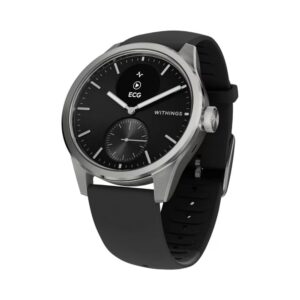
The Withings ScanWatch 2 (Model HWA10) is a premier hybrid smartwatch that integrates advanced clinical sensors into a timeless analog design. Its core medical utility centers on the Scan Monitor, which is FDA-cleared for recording single-lead ECG rhythms to detect Atrial Fibrillation (AFib). Clinical validation in a study of 262 subjects demonstrated a 96.3% sensitivity for AFib detection and 100.0% specificity for normal sinus rhythm. Beyond its EKG capabilities, the device features the TempTech 24/7 module, which uses a heat-flux sensor and a temperature sensor to provide continuous baseline temperature variations. It also passively monitors for irregular heart rhythms via a multi-channel PPG sensor and tracks blood oxygen (SpO2) levels. Designed for health-conscious adults (22+ in the U.S.), the ScanWatch 2 offers a 'spot-checking' approach to health monitoring, providing professional-grade PDF reports for easy data sharing with clinicians. While its grayscale OLED screen is minimal, its 35-day battery life ensures near-continuous health data collection that few other smartwatches can match.
$350
Apple Watch Series 10

Smartwatches With ECG

Apple Watch Series 10 Review: The Most Refined and Capable Health Wearable for Daily Life

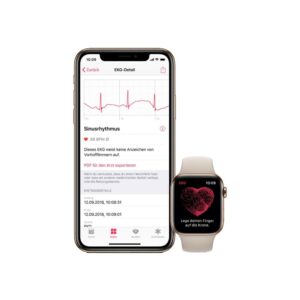
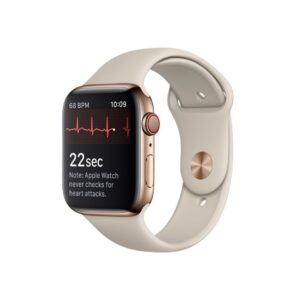
The Apple Watch Series 10 continues Apple's tradition of integrating serious medical-grade sensing into a consumer-focused smartwatch. The device features an upgraded S10 SiP and a wide-angle OLED display that is up to 40% brighter when viewed at an angle, significantly improving the readability of ECG waveforms in various lighting conditions. Its core health utility lies in the FDA-cleared ECG app, which provides a single-lead EKG by completing a circuit between the crystal on the back and the Digital Crown. Clinical validation for this feature has demonstrated 98.3% sensitivity for AFib and 99.6% specificity for sinus rhythm. Additionally, the Series 10 introduces advanced sleep apnea notifications, utilizing the accelerometer to monitor breathing disturbances during sleep. While it lacks the extreme battery life of the Ultra 2, its fast-charging capabilities-reaching 80% in approximately 30 minutes-ensure it can be worn nearly 24/7 for consistent health surveillance. The seamless integration with the iOS Health ecosystem makes it the most effective tool for long-term health trending and professional data sharing.

$399
CardiacSense Medical Watch

Smartwatches With ECG

CardiacSense Medical Watch Review: Continuous Clinical-Grade Arrhythmia Monitoring

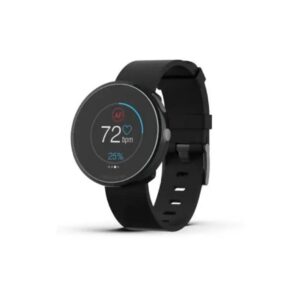
The CardiacSense Medical Watch (CS Watch 3) is a specialized medical device (MD) designed for home, hospital, and ambulatory environments. Unlike standard consumer smartwatches, it is built to provide continuous, beat-by-beat heart rate monitoring and passive Atrial Fibrillation (AFib) detection using a fusion of PPG and ECG technology. The system utilizes a unique PPG sensor designed to compensate for motion interference, significantly reducing the risk of false notifications during daily activities. It is indicated for use in adults to measure respiratory rate, pulse rate, and spot-check oxygen saturation (SpO2). The device generates detailed measurement reports that can be shared with medical professionals for remote triage. While it offers professional-grade data protection, some advanced reporting features require a PRO subscription.

$995
Apple Watch Ultra 2

Smartwatches With ECG

Apple Watch Ultra 2 Review: Rugged Performance Meets Clinical-Grade Heart Monitoring

The Apple Watch Ultra 2 represents the pinnacle of consumer health wearables, offering a robust suite of sensors housed in an aerospace-grade titanium chassis. Its primary clinical utility centers on the FDA-cleared ECG app, which utilizes a single-lead (Lead I) electrical heart sensor integrated into the Digital Crown. Clinical trials for the ECG app demonstrated a 99.6% specificity in classifying sinus rhythm and 98.3% sensitivity in detecting Atrial Fibrillation (AFib) for classifiable recordings. Beyond spot-checks, the device features an Irregular Rhythm Notification (IRNF) system that passively monitors pulse intervals via the optical heart sensor (PPG), alerting users to potential undiagnosed AFib. The Ultra 2 also includes a blood oxygen (SpO2) sensor and a temperature sensor for cycle tracking and sleep health. While the manual emphasizes that these features are not intended for medical diagnosis, the high correlation between the Ultra 2's data and clinical-grade equipment makes it a vital tool for longitudinal health surveillance in active populations.

$799
EMAY Portable ECG Monitor

Personal ECG Monitors

EMAY Portable ECG Monitor Review: The Standalone Solution for Simple Rhythm Tracking

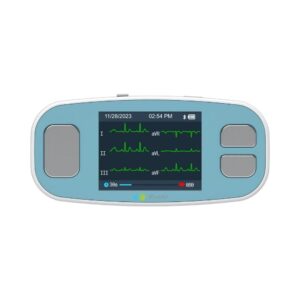
The EMAY Portable ECG Monitor (EMG-20) is a single-lead, handheld device designed for the intermittent recording of Lead I ECG signals. Its primary strength is its standalone functionality; unlike many competitors, it features a built-in 1.77-inch color TFT-LCD screen that displays the real-time ECG waveform and heart rate during a 30-second recording session. Once complete, the device provides an instant analysis of the rhythm across 12 different categories, including AFib, Bradycardia, Tachycardia, and ST-segment changes. While the manufacturer explicitly states it is for 'initial evaluation' and not a substitute for clinical diagnostics, its 250 Hz sampling rate and clinical safety compliance (IEC 60601-1) make it a reliable reference tool. Data management is flexible, offering both a Bluetooth-connected mobile app for iOS and Android and a dedicated PC/Mac software for detailed report generation. Its memory capacity for 100 readings on-device and long-lasting rechargeable battery (~360 measurements per charge) make it a practical companion for health-conscious users who prefer physical controls and immediate visual feedback.

$99
Wellue DuoEK

Personal ECG Monitors

Wellue DuoEK Review: Versatile Long-Duration Personal ECG Monitoring

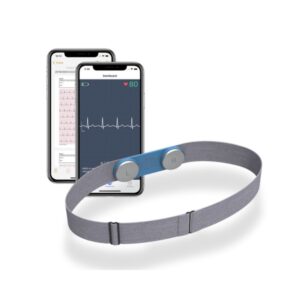
The Wellue DuoEK (and its S-model variant) offers a unique value proposition in the personal ECG market by combining the portability of a handheld device with the stability of a wearable chest strap. Unlike many competitors restricted to 30-second snapshots, the DuoEK can record for up to 15 minutes, making it significantly more effective at capturing infrequent or transient arrhythmias. The device is equipped with a 0.96-inch OLED screen that displays real-time heart rate and waveforms, allowing for standalone use without a mobile device. Data is managed through the ViHealth app, which provides AI-driven analysis for up to 17 different types of cardiac events. The clinical utility is high for a consumer-grade device, though users should note that the manual classifies it for 'general wellness' use despite its FDA clearance for rhythm monitoring.

$89
Omron Complete

Personal ECG Monitors

Omron Complete Review: The Synergy of Blood Pressure and EKG Monitoring

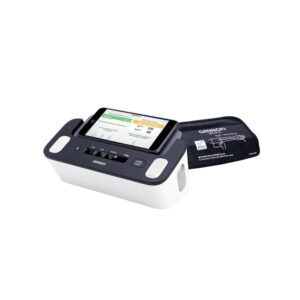
The Omron Complete (BP7900) is a breakthrough in home cardiac monitoring, integrating a gold-standard upper-arm blood pressure monitor with a single-lead EKG. Developed in partnership with AliveCor, it utilizes the same FDA-cleared algorithms found in Kardia devices to detect Atrial Fibrillation (AFib), bradycardia, tachycardia, and normal sinus rhythm. In clinical performance testing, the device demonstrated a sensitivity of 100% and a specificity of 86% for AFib detection when compared to 12-lead EKG interpretations. The device's primary strength lies in its ability to capture EKG and blood pressure data simultaneously, providing a more comprehensive view of heart health in a single 30-second session. While the monitor is bulkier than handheld EKG units due to the integrated BP cuff, it simplifies the routine for users with comorbidities. The 'OMRON connect' app serves as a robust hub for data, though users should be prepared for the occasional Bluetooth synchronization hurdle. For those tracking the interplay between blood pressure and heart rhythm, this device offers unparalleled clinical utility.

$200
Wellue Checkme Pro Doctor

Personal ECG Monitors

Wellue Checkme Pro Doctor Review: Comprehensive Clinical-Grade Vitals Monitoring

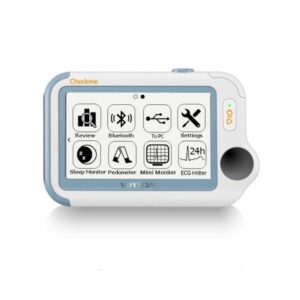
The Wellue Checkme Pro Doctor is a versatile 'all-in-one' health monitor designed for both clinical and home environments. Unlike single-purpose devices, the Checkme Pro integrates a Lead I/Lead II ECG, a pulse oximeter (SpO2), a contactless infrared thermometer, and a pedometer. The 'Daily Check' feature allows users to capture a full suite of vitals in just 20 seconds. A significant clinical advantage is its ability to record Lead II ECGs via external cables and electrodes, providing more diagnostic depth than standard handheld monitors. The device features a high-resolution color touchscreen that displays real-time waveforms and results immediately without needing a smartphone. However, it syncs seamlessly via Bluetooth to the MyDosir and ViHealth apps for long-term data management and professional PDF reporting. While it is marketed as a 'Doctor' model due to its advanced configuration and clinical accuracy, it remains intuitive enough for patient home use.

$500
AliveCor KardiaMobile Card

Personal ECG Monitors

AliveCor KardiaMobile Card Review: Clinical-Grade Heart Health in a Wallet-Sized Package

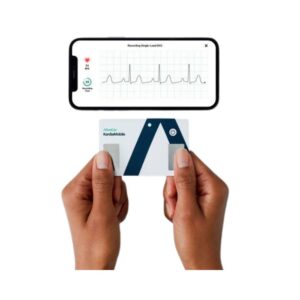
The AliveCor KardiaMobile Card (Model AC-021) is a revolutionary step in personal cardiac monitoring, distilling the technology of a single-lead EKG into a credit-card-sized form factor. The device uses Bluetooth Low Energy to transmit data to the Kardia app, providing users with an 'Instant Analysis' of their heart rhythm. It is specifically designed to detect Atrial Fibrillation, Bradycardia, Tachycardia, and Normal Sinus Rhythm. A standout technical feature is its IPX8 rating, ensuring protection against water immersion for up to an hour. While the device features a non-replaceable battery, its ultra-slim design and clinical validation make it a top-tier choice for those needing reliable rhythm tracking on the go. The system provides professional-grade rhythm strips that can be easily shared with healthcare providers via email or PDF, though a data connection is required for cloud synchronization.

$109
Eko DUO (ECG + Stethoscope)

Personal ECG Monitors

Eko DUO (ECG + Stethoscope) Review: The Professional Standard for Digital Auscultation and Rhythm Assessment

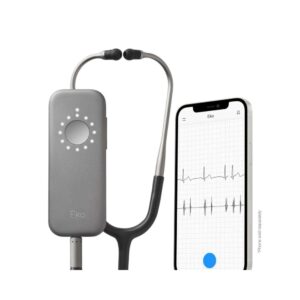
The Eko DUO (ECG + Stethoscope) represents a significant advancement in bedside diagnostic technology. It combines a 1-lead ECG with a high-fidelity digital stethoscope, allowing for the simultaneous assessment of electrical and mechanical heart function. The device provides up to 60x sound amplification and features advanced background noise reduction, which is critical for identifying subtle murmurs or gallops in loud clinical environments. The integrated ECG electrodes capture a Lead I rhythm strip that is transmitted via Bluetooth to the Eko App for real-time visualization and analysis. The DUO is specifically designed to work with Eko's FDA-cleared AI algorithms, which can screen for Atrial Fibrillation and heart murmurs with high sensitivity. While it is a single-lead device, the correlation between the acoustic and electrical data provides a depth of insight typically only found in much larger clinical systems. Its wireless charging capability and pocket-sized form factor make it highly practical for daily rounds or home-based monitoring under medical supervision.

$349
Fourth Frontier X Plus

Personal ECG Monitors

Fourth Frontier X Plus Review: Continuous Cardiac Monitoring for Endurance Athletes

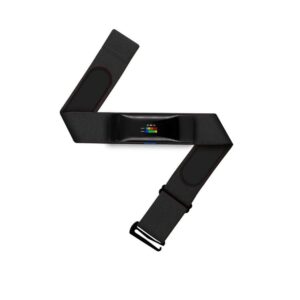
The Fourth Frontier X Plus distinguishes itself from traditional spot-check ECG monitors by providing continuous recording during vigorous exercise. Worn as a chest strap, it captures high-fidelity Lead I ECG data, heart rate, and breathing rate. Its standout feature is the cardiac 'Strain' metric, which provides vibration alerts when the user exceeds personalized safe thresholds, helping to prevent overexertion. The device syncs data to a mobile app and a sophisticated web-based cloud platform for in-depth analysis of rhythm and performance metrics. While it requires the use of a chest strap, the signal quality during high-movement activities is superior to wrist-based sensors, making it a professional-grade tool for endurance monitoring.

$499
Livenpace TH12 (Portable 12-Lead Monitor)

Personal ECG Monitors

Livenpace TH12 Review: Clinical-Grade 24-Hour 12-Lead Holter Monitoring at Home

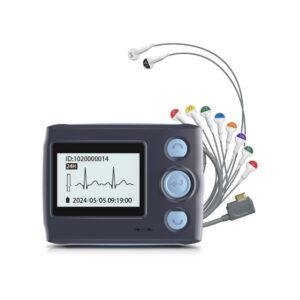
The Livenpace TH12 (Model TH12) is a dynamic Holter recorder designed for long-term continuous ECG monitoring. Unlike basic handheld devices, it utilizes a 10-wire lead system to provide true 12-lead data, making it capable of detecting transient myocardial ischemia and capturing infrequent arrhythmias that spot-check monitors often miss. The device complies with IEC 60601-2-47 standards for ambulatory electrocardiographic systems, ensuring high clinical reliability. While the setup is more involved than consumer wearables-requiring the placement of 10 electrodes-it offers a level of diagnostic depth usually reserved for clinical facilities. Data is stored on a dedicated industrial-grade SD card and analyzed via the Livenpace PC software (available for Windows and Mac), which generates professional reports through server-side analysis. It is an ideal solution for patients requiring comprehensive 24-hour cardiac surveillance without being tethered to hospital equipment.

$299

How We Test

Our reviews combine real-world testing, clinical evidence analysis, and medical professional input to provide comprehensive evaluations you can trust.

Clinical Standards

ISO methodology and evidence-based evaluation criteria

Medical Review

Healthcare professionals validate our findings

Real-World Testing

Extended use periods for authentic insights

Want to Compare Devices Yourself?

Create your own custom 1v1 comparison! Select any 2 devices from the same category to see detailed side-by-side performance, features, and clinical evidence.