
A premium, non-invasive sleep technology that proactively reduces snoring by reacting to sounds in real-time, though it requires a power outlet and a subscription for full data insights.
Nitetronic Z6 Smart Anti-Snore Pillow Review: High-Tech Positional Therapy
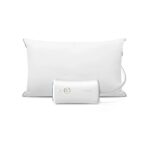
The Nitetronic Z6 Smart Anti-Snore Pillow is a reactive bedding solution designed for positional snorers. Utilizing integrated MEMS (Micro-Electro-Mechanical Systems) acoustic sensors, the pillow detects the initial vibrations of snoring and monitors the user's head position. When snoring is identified, one of six internal air chambers gently inflates to rotate the head to the side, opening the airway without waking the sleeper. This 'behavioral biofeedback' approach aims to maintain side-sleeping posture, which is often more airway-stable. Clinically validated through trials at the ENT Clinic Mannheim and Heidelberg University, the pillow has demonstrated an average snoring reduction of 67%. Unlike intraoral devices, it offers a high degree of comfort by using a memory foam core and cotton cover, but it is tethered by a thick power cable that may be noticeable during the first few nights of adjustment.
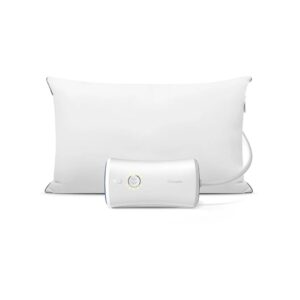
Nitetronic Z6 Smart Anti-Snore Pillow
Nitetronic
Our Score
Table of Contents
Clinical Summary
Clinical Performance Metrics
Quantitative assessment based on clinical testing protocols
Snoring Reduction
Reduces snoring by an average of 67%, with some users reaching single-digit intensity scores after AI optimization.
Wearing Comfort
Utilizes premium memory foam and velvet-filled cotton, feeling more like a high-end standard pillow than a medical device.
Ease of Use
Simple setup with physical control box buttons for quick adjustments, though app syncing requires reliable 2.4G WiFi.
Value for Money
The high retail price and additional subscription fee for premium app data lower its overall value score compared to manual devices.
Quick Take
Key findings from our clinical evaluation
+
Strengths
- Active head rotation via 6 internal airbags that react silently to snoring sounds
- Clinically proven to reduce snoring by 67% at University ENT Clinic Mannheim
- Adjustable loft (9cm to 13cm) via removable memory foam pads for custom comfort
- Physical buttons on the control box for manual sensitivity and intensity adjustments
- Non-invasive design avoids the jaw pain and dental shifting risk of MADs
−
Limitations
- Requires constant connection to a power outlet via a thick, non-standard cable
- Premium app data tracking requires a quarterly subscription fee
- Sensors may trigger unintentionally if two snorers share a bed within 4 inches
Real-World Usage
Practical considerations for daily operation
Daily Routine Impact
Fits easily into a nightly routine like a standard pillow. Users must ensure it remains plugged in and that the head is positioned correctly on the sensors to capture accurate sleep data.
Learning Curve
Master in a day
Maintenance
Outer cotton pillowcase is machine-washable; inner memory foam core and electronic components are wipe-clean only.
Portability
Low; at 8.2 lbs with a necessary power adapter and control box, it is bulkier than most anti-snoring travel aids.
Manual Use
Very good; the control box allows elderly or non-tech-savvy users to manage sensitivity and intensity without needing the smartphone app.
Cost & Coverage Analysis
Financial considerations and HSA / FSA eligibility
Pricing Breakdown
HSA/FSA Guidance
While not a regulated medical device for clinical insurance, it is eligible for HSA/FSA reimbursement under sleep aid categories.
Cost Comparison
Considerably more expensive than $100 mouthguards, but competitive with other smart sleep tech like Smart Nora.
Patient Suitability
Clinical indications and contraindications
Indicated For
- • Positional snorers who predominantly snore while on their backs
- • Users who cannot tolerate intraoral devices due to TMJ or dental work
- • Tech enthusiasts wanting detailed acoustic snoring data and reactive hardware
Contraindications
- • Stomach sleepers, for whom head rotation is less effective at airway opening
- • Individuals with central sleep apnea or non-postural snoring issues
Age Considerations
Recommended for adults over 18 years of age only.
Clinical Efficacy Assessment
Evidence-based evaluation of clinical performance
Snoring Frequency Reduction
Measures the percentage reduction in snoring episodes recorded overnight.
Clinical trials show a 67% average reduction in snoring episodes when the active intervention function is engaged.
Sleep Quality Improvement
Assess improvement in restorative sleep and reduction in daytime fatigue.
Users report improved daytime alertness and reduced morning headaches due to enhanced oxygen intake.
AHI Improvement (if applicable)
Measures the reduction in the Apnea-Hypopnea Index (AHI) for OSA patients.
Studies show a 50% reduction in AHI specifically for posture-dependent snorers whose airway collapse is gravity-related.
Partner-Reported Improvement
Evaluates the impact of the device on the bed partner's sleep environment.
Bed partners frequently report restored sanity and ability to sleep without interruptions from loud snoring.
Comparative Performance
Ranked #17 of 20 clinically evaluated anti-snoring devices devices
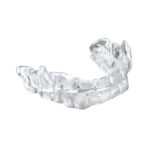
ProSomnus EVO Sleep and Snore Device
ProSomnus
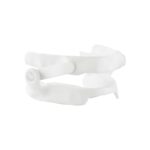
Panthera Classic (D-SAD)
Panthera Dental
Nitetronic Z6 Smart Anti-Snore Pillow
Nitetronic
You're viewing this
Nitetronic Z6 Smart Anti-Snore Pillow You're viewing this device
Nitetronic
Clinical Context
Our #1-ranked anti-snoring devices device demonstrated superior performance across key clinical metrics. Compare detailed specifications to make an evidence-based selection.
Clinical Recommendation
Final assessment and prescribing guidance
The Nitetronic Z6 is the most advanced positional therapy tool on the market. Its combination of premium comfort and proactive AI reaction makes it the top choice for snorers seeking a high-tech, non-invasive alternative to CPAP or mouthguards.
Recommend If
You primarily snore on your back and want a clinically backed, comfortable pillow that actively stops snoring without you having to wake up.
Avoid If
You need a portable travel device or have a heart pacemaker, as the electronic sensors are contraindicated for such patients.
Clinical Summary
Composite Score
Recommendation
Price Point
Where to Buy
Verified purchase options and current availability
Nitetronic Official Store
30-night trial; 3-year warranty; Financing available via Affirm[cite: 1158, 1166, 1252].
Amazon
HSA/FSA eligible[cite: 1172].
Important Information
- • Prices and availability subject to change
- • Some devices may require a prescription
- • HSA / FSA eligibility: Not Typically Eligible
- • Purchase from authorized retailers for warranty protection