
A highly portable, electricity-free EPAP device that offers a clinically validated alternative to CPAP for travelers and patients with mild to moderate sleep apnea.
Bongo Rx Review: Portable EPAP Therapy for OSA and Snoring
Bongo Rx represents a specialized class of sleep therapy known as Expiratory Positive Airway Pressure (EPAP). Unlike mandibular advancement devices that physically reposition the jaw, Bongo Rx utilizes a set of soft silicone nasal seals containing one-way valves. During inhalation, these valves open freely to allow a full breath; during exhalation, they close and redirect air through specifically engineered vent holes. This mechanical redirection creates backpressure that acts as a pneumatic stent, effectively keeping the airway open until the next breath cycle begins. Clinically, the device has been reviewed and cleared by the FDA for the treatment of mild to moderate Obstructive Sleep Apnea (OSA). It is particularly noted for its high patient acceptance due to the absence of machines, masks, or hoses, and its ability to function without electricity makes it a premier option for travelers and campers. Clinical testing demonstrated that the Apnea-Hypopnea Index (AHI) was significantly reduced compared to baseline diagnostics, with no serious adverse events reported.
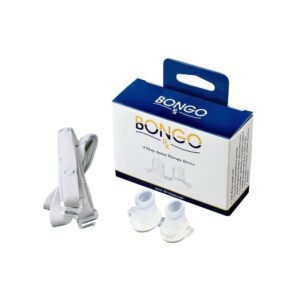
Table of Contents
Clinical Summary
Clinical Performance Metrics
Quantitative assessment based on clinical testing protocols
Snoring Reduction
Effectively stabilizes the airway using expiratory backpressure, significantly reducing snoring associated with airway collapse.
Wearing Comfort
The soft silicone seals are well-tolerated, though users must acclimate to the sensation of breathing against pressure.
Ease of Use
Extremely simple; requires no assembly, power, or complex fitting beyond selecting the correct nasal seal size.
Value for Money
High value for CPAP-intolerant patients and frequent travelers, supported by its reusable and durable design.
Quick Take
Key findings from our clinical evaluation
+
Strengths
- Clinically tested and FDA-cleared for mild to moderate OSA
- No machines, masks, hoses, or electricity required
- Small enough to fit in a shirt pocket for maximum portability
- Allows users to sleep comfortably in virtually any position
- Reusable and easy to clean with standard soap and water
−
Limitations
- Requires a physician's prescription for purchase
- May not be suitable for patients with severe OSA or significant comorbidities
- Requires an adjustment period to get used to expiratory resistance
Real-World Usage
Practical considerations for daily operation
Daily Routine Impact
Fits seamlessly into a nightly routine and is ideal for active lifestyles. It requires no power outlet, allowing users to maintain therapy while traveling or camping without bulky equipment.
Learning Curve
Master in a day
Maintenance
Daily cleaning with mild soap and water; air dry before next use. Seals are reusable but should be inspected for wear.
Portability
Superior; the most portable medical-grade OSA intervention evaluated, requiring only the pocket-sized inserts.
Manual Use
Purely mechanical pneumatic operation; effectiveness is immediate upon correct insertion and does not rely on software.
Cost & Coverage Analysis
Financial considerations and HSA / FSA eligibility
Pricing Breakdown
1-Year Total
$259.00
3-Year Total
$379.00
HSA/FSA Guidance
Often available to veterans through the VA health system; check with private providers for reimbursement as a CPAP alternative.
Cost Comparison
Competitively priced compared to other prescription oral appliances and significantly cheaper than CPAP machine setups.
Patient Suitability
Clinical indications and contraindications
Indicated For
- • Travelers and campers needing a portable OSA solution
- • CPAP-intolerant patients seeking a less invasive option
- • Users who prefer to sleep in multiple or active positions
Contraindications
- • Individuals with severe nasal congestion or anatomical blockages
- • Patients diagnosed with severe obstructive sleep apnea
Age Considerations
Indicated for use in adults 18 years of age and older.
Clinical Efficacy Assessment
Evidence-based evaluation of clinical performance
Snoring Frequency Reduction
Measures the percentage reduction in snoring episodes recorded overnight.
Clinical reports indicate high efficacy in reducing snoring duration and intensity through pneumatic airway stenting.
Sleep Quality Improvement
Assess improvement in restorative sleep and reduction in daytime fatigue.
Patients report feeling as rested as they do with standard CPAP equipment, with improved daytime alertness.
AHI Improvement (if applicable)
Measures the reduction in the Apnea-Hypopnea Index (AHI) for OSA patients.
Clinical testing reviewed by the FDA demonstrated significant AHI reduction across the test population.
Partner-Reported Improvement
Evaluates the impact of the device on the bed partner's sleep environment.
The device operates quietly and is discreet enough that bed partners often do not notice its presence.
Comparative Performance
Ranked #12 of 20 clinically evaluated anti-snoring devices devices
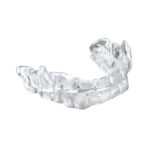
ProSomnus EVO Sleep and Snore Device
ProSomnus
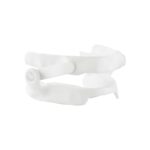
Panthera Classic (D-SAD)
Panthera Dental
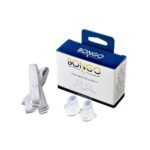
Bongo Rx EPAP Device
Bongo Rx
You're viewing this
Bongo Rx EPAP Device You're viewing this device
Bongo Rx
Clinical Context
Our #1-ranked anti-snoring devices device demonstrated superior performance across key clinical metrics. Compare detailed specifications to make an evidence-based selection.
Clinical Recommendation
Final assessment and prescribing guidance
Bongo Rx is an innovative and effective CPAP alternative for those with mild to moderate OSA. Its simplicity, clinical validation, and extreme portability make it a top choice for mobile patients.
Recommend If
You travel frequently and want a prescription-grade sleep apnea solution that doesn't require electricity or bulky gear.
Avoid If
You have severe OSA or find it difficult to breathe against even slight resistance through your nose.
Clinical Summary
Composite Score
Recommendation
Price Point
Where to Buy
Verified purchase options and current availability
The DME Source
Prescription required; HSA/FSA eligible[cite: 1559, 1952, 2222].
CPAP.com
Requires valid prescription from a local doctor or telehealth provider[cite: 1555, 1952].
1800CPAP.com
FSA/HSA accepted[cite: 1952, 2222].
Important Information
- • Prices and availability subject to change
- • Some devices may require a prescription
- • HSA / FSA eligibility: Rarely Eligible
- • Purchase from authorized retailers for warranty protection