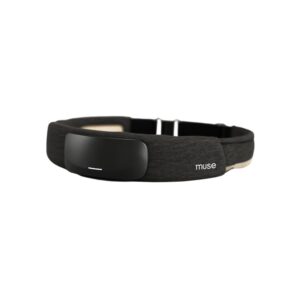
An innovative wellness wearable that leverages neurofeedback to potentially double deep sleep, though it lacks formal FDA clinical diagnostic clearance.
Bía Smart Sleep Mask Review: Neurofeedback-Driven Wellness for Accelerated Rest
The Bía Smart Sleep Mask is a wellness-focused wearable designed to measure and improve sleep quality through neurofeedback, neural soundscapes, and smart sunrise features[cite: 939]. Unlike traditional home sleep tests, the Bía program is intended only for maintaining and encouraging a healthy lifestyle and is explicitly not for the diagnosis or treatment of any medical conditions[cite: 944]. The device uses a 'reward and discouragement' neurofeedback track to correct unwanted sleep habits while the user is asleep[cite: 927]. Clinical claims provided by the manufacturer include a 45% faster time-to-sleep and up to a 50% reduction in awakenings[cite: 914]. Studies cited by Bía indicate that neural soundscapes can reduce the time taken to fall asleep from an average of 34 minutes to 19 minutes[cite: 925]. While it offers interactive coaching through sleep stages, the device is not an FDA-cleared diagnostic tool for sleep apnea or other clinical disorders[cite: 926, 944].
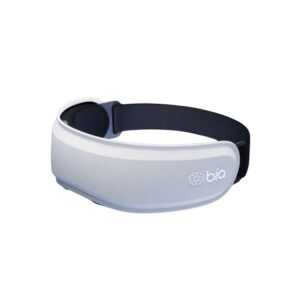
Table of Contents
Clinical Summary
Clinical Performance Metrics
Quantitative assessment based on clinical testing protocols
Diagnostic Accuracy
Device is not designed for diagnostic use and explicitly disclaims its use for the diagnosis or management of any disease[cite: 944].
Ease of Use
The companion app simplifies the process to 'choose your program and wear the mask'[cite: 922].
Wearing Comfort
Features 100% blackout capability and a design intended for all-night wear, though user tolerance for masks varies[cite: 921].
Value for Money
A high upfront cost of $419 makes it a significant investment for a wellness-only device[cite: 940].
Quick Take
Key findings from our clinical evaluation
+
Strengths
- Neurofeedback technology designed to correct sleep habits while you sleep[cite: 927].
- Clinically claimed 45% faster time-to-sleep using neural soundscapes[cite: 914, 925].
- 100% blackout feature facilitates use in various environments[cite: 921].
- Built-in smart sunrise feature for scheduled, peaceful waking[cite: 930, 939].
- Claimed 32% energy boost by aligning sleep rhythm with schedule[cite: 932].
−
Limitations
- Explicitly not for medical diagnosis, management, or treatment[cite: 944].
- High upfront cost compared to other wellness-focused sleep aids[cite: 940].
- Not suitable for individuals under the age of 18[cite: 1167].
Real-World Usage
Practical considerations for daily operation
Daily Routine Impact
Passive interaction during sleep with a dedicated morning review of performance insights through the Bía Sleep App[cite: 922, 933].
Learning Curve
Use right out of the box
Maintenance
Periodic charging; users must avoid opening, cutting, or puncturing the device[cite: 1167].
Portability
High; the mask form factor is inherently portable for travelers and shift workers[cite: 921].
Manual Use
The device relies entirely on the app for program selection and data visualization; it has no manual screen[cite: 922].
Cost & Coverage Analysis
Financial considerations and HSA / FSA eligibility
Pricing Breakdown
HSA/FSA Guidance
As a lifestyle wellness device without clinical clearance, it is unlikely to be covered by standard insurance plans[cite: 944].
Cost Comparison
More expensive than standard sleep masks or simple noise machines, positioned as a premium neuro-technology product[cite: 940].
Patient Suitability
Clinical indications and contraindications
Indicated For
- • Individuals seeking to improve sleep onset speed and deep sleep depth[cite: 914].
- • Shift workers and travelers needing a 100% blackout solution[cite: 921].
- • Wellness-oriented users interested in neurofeedback-based habit correction[cite: 927].
Contraindications
- • Individuals needing clinical diagnosis for sleep apnea[cite: 944].
- • Users with skin sensitivities to the surface materials[cite: 1167].
Age Considerations
Not intended for use by individuals under 18 years of age[cite: 1167].
Clinical Efficacy Assessment
Evidence-based evaluation of clinical performance
Sleep Stage Identification
Assesses the accuracy of identifying REM, Light, and Deep sleep states.
Utilizes neurofeedback to coach the user through sleep stages and maximize deep sleep time[cite: 926, 929].
In-Lab PSG Correlation
Measures how the device results correlate with in-lab polysomnography.
Clinical correlation with standard PSG for diagnostic metrics is not established in the current documentation[cite: 944].
Comparative Performance
Ranked #25 of 25 clinically evaluated home sleep tests devices
Withings Sleep Analyzer
Withings
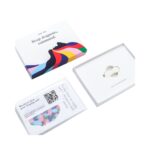
Sunrise Home Sleep Test
Sunrise SA
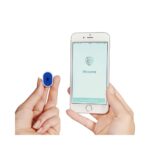
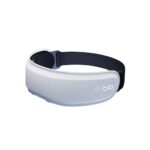
Bía Smart Sleep Mask
Bía Neuroscience
You're viewing this
Bía Smart Sleep Mask You're viewing this device
Bía Neuroscience
Clinical Context
Our #1-ranked home sleep tests device demonstrated superior performance across key clinical metrics. Compare detailed specifications to make an evidence-based selection.
Clinical Recommendation
Final assessment and prescribing guidance
The Bía Smart Sleep Mask is a forward-looking wellness device for those prioritized on enhancing the quality of their rest through neuro-technology. While it is a powerful lifestyle aid, it should not be confused with a clinical diagnostic tool.
Recommend If
You struggle with sleep onset and want a non-invasive, tech-driven way to improve your deep sleep metrics.
Avoid If
You need to diagnose a medical condition like sleep apnea or are on a limited budget.
Clinical Summary
Composite Score
Recommendation
Price Point
Where to Buy
Verified purchase options and current availability
Bía Official Store
Includes a 60-day return policy and free shipping offers. [cite: 1537, 1538, 1565]
Important Information
- • Prices and availability subject to change
- • Some devices may require a prescription
- • HSA / FSA eligibility: Not Typically Eligible
- • Purchase from authorized retailers for warranty protection
Alternative Devices
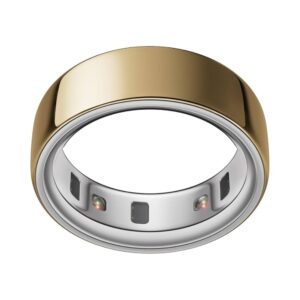
Unique in its use of neurofeedback compared to the passive tracking of Oura, but lacks the clinical diagnostic clearance of devices like Withings Sleep Analyzer[cite: 927, 944].