The Ava Fertility Tracker is the premier choice for users seeking a non-invasive, passive wearable that predicts ovulation by monitoring systemic physiological shifts.
Ava Fertility Tracker Review: The Gold Standard for Passive Fertility Monitoring
The Ava Fertility Tracker distinguishes itself in the fertility monitoring market as a passive, wrist-worn wearable designed for overnight use. Unlike traditional ovulation predictor kits that require daily urine analysis, Ava tracks five key physiological biomarkers: skin temperature, resting pulse rate, heart rate variability, breathing rate, and sleep quality. By synthesizing these data points through a proprietary algorithm, the device identifies a 5-day fertile window, providing users with a longer lead time for conception planning than LH-only tests. Clinical validation demonstrated the device's ability to detect the beginning of the fertile window several days earlier than standard LH tests. While its primary value lies in its high user compliance and stress-free nature, it is important to note that Ava is currently optimized for women with regular cycles and is not a replacement for quantitative hormone tracking in complex diagnostic cases like PCOS.
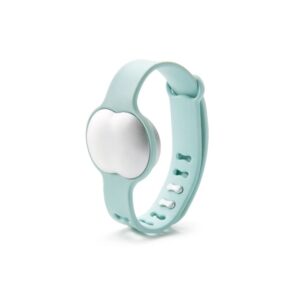
Table of Contents
Clinical Summary
Clinical Performance Metrics
Quantitative assessment based on clinical testing protocols
Accuracy
Estimated at 90% accuracy for identifying the 5-day fertile window based on multi-parameter physiological tracking.
Ease of Use
Extremely low effort; requires only wearing the bracelet at night and syncing with the smartphone app upon waking.
Reliability
Highly reliable for users within the recommended cycle length, though performance may be influenced by external factors like illness.
Value for Money
Significant upfront investment is balanced by the lack of recurring monthly costs for replacement strips or wands.
Quick Take
Key findings from our clinical evaluation
+
Strengths
- Passive, overnight tracking eliminates the need for daily urine tests.
- Tracks 5 physiological biomarkers for a holistic view of reproductive health.
- Identifies a broad 5-day fertile window for better planning.
- FDA cleared for ovulation prediction accuracy.
- Seamless app integration with automated daily data analysis.
−
Limitations
- High upfront cost compared to manual dip strips.
- Not indicated for women with highly irregular cycles outside the 24-35 day range.
- Requires a minimum of 4 hours of consistent sleep for valid data collection.
Real-World Usage
Practical considerations for daily operation
Daily Routine Impact
Requires no changes to daily routine; simply wear the bracelet to bed and sync with the app upon waking.
Learning Curve
Use right out of the box
Maintenance
Regular charging (typically every 1-2 days) and cleaning of the sensor housing with a soft cloth.
Portability
Extremely portable; the compact bracelet fits easily in a toiletry bag and uses standard USB charging.
Manual Use
The device has no built-in display; all fertility and health information must be viewed via the companion smartphone app.
Cost & Coverage Analysis
Financial considerations and HSA / FSA eligibility
Pricing Breakdown
HSA/FSA Guidance
Recognized as an HSA/FSA eligible medical expense; retain receipts for pre-tax reimbursement.
Cost Comparison
Higher upfront cost than digital urine tests but lower lifetime cost due to the lack of consumable disposables.
Patient Suitability
Clinical indications and contraindications
Indicated For
- • Users who want a passive fertility tracking experience without urine analysis.
- • Individuals who find daily active testing stressful or inconsistent.
- • Women with regular cycles looking for an early indication of their fertile window.
Contraindications
- • Women with PCOS or cycles significantly shorter than 24 days or longer than 35 days.
- • Users who prefer direct biochemical hormone measurements like LH or PdG.
Age Considerations
Clinically validated for women ages 18 to 45; effectiveness may vary for those in late perimenopause.
Clinical Efficacy Assessment
Evidence-based evaluation of clinical performance
Primary Outcome
Effectiveness in identifying the peak fertile window and surge.
Identifies a 5-day fertile window up to four days sooner than hormone-only urine tests by tracking systemic shifts.
Secondary Outcome
Effectiveness in confirming successful ovulation tracking.
Effective at measuring trends in skin temperature and resting pulse rate to confirm systemic cycle shifts and overall wellness.
Comparative Performance
Ranked #23 of 24 clinically evaluated ovulation tests devices
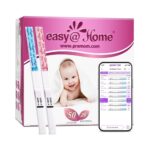
Easy@Home Ovulation Test Strips
Easy@Home
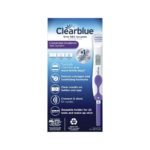
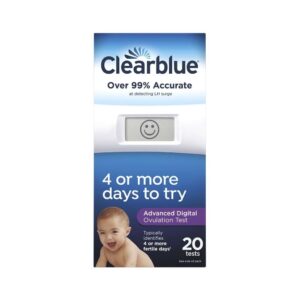
Clearblue Connected Ovulation Test System
Clearblue
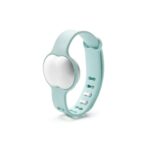
Ava Fertility Tracker
Ava
You're viewing this
Ava Fertility Tracker You're viewing this device
Ava
Clinical Context
Our #1-ranked ovulation tests device demonstrated superior performance across key clinical metrics. Compare detailed specifications to make an evidence-based selection.
Clinical Recommendation
Final assessment and prescribing guidance
The Ava Fertility Tracker is the best non-invasive wearable for identifying the fertile window. While it lacks the quantitative precision of hormone monitors, its ease of use and automated tracking make it highly effective for its intended user base.
Recommend If
You want a clinically validated, stress-free way to track your fertility without the mess of daily urine testing.
Avoid If
You have PCOS or irregular cycles that require precise quantitative hormone data for effective management.
Clinical Summary
Composite Score
Recommendation
Price Point
Where to Buy
Verified purchase options and current availability
AvaWomen
HSA/FSA eligible, includes 1-year warranty
Important Information
- • Prices and availability subject to change
- • Some devices may require a prescription
- • HSA / FSA eligibility: Usually Eligible
- • Purchase from authorized retailers for warranty protection
Alternative Devices
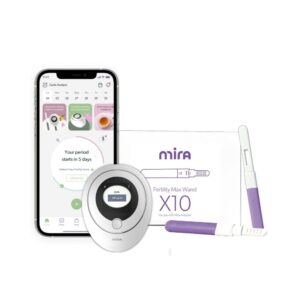
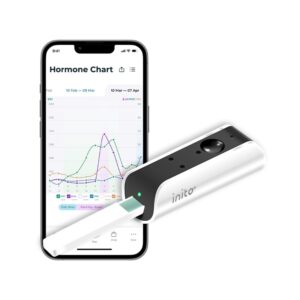
Ava is significantly easier to maintain than Mira or Inito but provides less specific hormone concentration data.