A revolutionary wearable that replaces complex belts and cannulas with a single acoustic sensor for high-accuracy, automated OSA diagnosis.
AcuPebble SA100 Review: Acoustic Innovation in Home Sleep Apnea Testing
The AcuPebble SA100, developed by Acurable, introduces a novel approach to home sleep apnea testing by utilizing acoustic sensing technology. Instead of traditional channels like nasal airflow or finger pulse oximetry, the device is a single 7-gram sensor attached to the suprasternal notch of the neck with medical adhesive. It records the physiological sounds generated by respiratory and cardiac functions, which are then processed by patented algorithms to derive key diagnostic parameters including the Apnea-Hypopnea Index (AHI) and Oxygen Desaturation Index (ODI). A landmark study published in BMJ Open demonstrated that the AcuPebble SA100 achieved a 95.33% diagnostic accuracy when compared against gold-standard polygraphy. The system is entirely automated; patients follow instructions via a mobile app, upload their data to the cloud, and a clinically validated report is generated instantly for the healthcare provider.
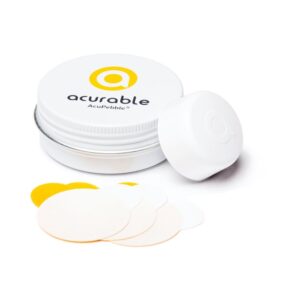
Table of Contents
Clinical Summary
Clinical Performance Metrics
Quantitative assessment based on clinical testing protocols
Diagnostic Accuracy
Clinical trials reported 92.7% sensitivity and 96.8% specificity for identifying sleep apnea compared to standard diagnostic pathways.
Ease of Use
Acurable's trials showed 100% of patients were able to successfully complete the test without training or assistance.
Wearing Comfort
The ultra-lightweight 7g sensor is non-invasive and allows for a more natural sleep environment compared to traditional belt systems.
Value for Money
While the upfront cost is significant, the reduction in clinical interpretation time and high diagnostic yield provide strong ROI for health systems.
Quick Take
Key findings from our clinical evaluation
+
Strengths
- Breakthrough wire-free design using a single miniature neck sensor
- High diagnostic accuracy equivalent to cardiorespiratory polygraphy
- Zero user training required with 100% test completion rate in trials
- Fully automated clinical reporting minimizes physician interpretation time
- Detects both respiratory and cardiac disease biomarkers via acoustics
−
Limitations
- Requires medical adhesive which may cause localized skin sensitivity
- Does not record neurological channels for direct sleep staging (EEG)
- Currently not validated for patients with congestive heart failure or neuromuscular disorders
Real-World Usage
Practical considerations for daily operation
Daily Routine Impact
Setup is as simple as peeling off an adhesive and placing the 'pebble' on the neck. Users can sleep naturally in any position without wires or belts interfering with their routine.
Learning Curve
Use right out of the box
Maintenance
The sensor must be charged before use and cleaned/disinfected between patients; adhesives are single-use only.
Portability
Exceptional; the 7g sensor is the smallest diagnostic HST available and easily portable for remote testing.
Manual Use
N/A; the device requires the companion mobile application to initiate and process the diagnostic study.
Cost & Coverage Analysis
Financial considerations and HSA / FSA eligibility
Pricing Breakdown
HSA/FSA Guidance
Often utilized within the UK NHS diagnostic pathways; US patients should check coverage for Type IV HST codes.
Cost Comparison
Priced competitively with high-end reusable HSTs but offers significant savings in clinical interpretation labor.
Patient Suitability
Clinical indications and contraindications
Indicated For
- • Patients seeking the least invasive home sleep study possible
- • Sleep clinics looking to clear backlogs with automated diagnosis
- • Individuals who struggle with complex sensor hookups or belts
Contraindications
- • Patients requiring detailed EEG-based sleep stage analysis
- • Individuals with unstable cardiac conditions or pacemakers
Age Considerations
FDA cleared for use in adult patients 18 years and older.
Clinical Efficacy Assessment
Evidence-based evaluation of clinical performance
AHI Detection Accuracy
Measures the device's ability to accurately count apnea and hypopnea events per hour.
The device accurately detects apnoea and hypopnoea events by analyzing tracheal sound patterns associated with airway obstructions.
Sleep Stage Identification
Evaluates accuracy in identifying sleep architecture (REM/NREM).
Parameters are obtained using estimation of sleep time rather than neurological EEG channels.
Respiratory Event Detection
Sensitivity in identifying specific respiratory obstructions and effort.
Acoustic effort channels extracted from tracheal sounds have demonstrated high agreement with gold-standard effort measurements.
In-Lab PSG Correlation
Reflects how consistently the device's results align with a full attended hospital sleep study.
Validated against gold-standard PSG with an Intra-class Correlation Coefficient (ICC) of 0.84 to 0.89 for estimated AHI.
Comparative Performance
Ranked #5 of 24 clinically evaluated home sleep tests devices
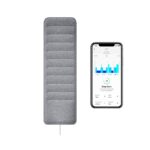
Withings Sleep Analyzer
Withings
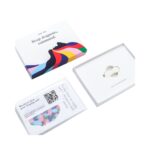
Sunrise Home Sleep Test
Sunrise SA
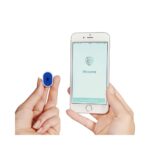
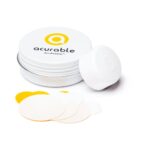
AcuPebble SA100 Home Sleep Test
Acurable
You're viewing this
AcuPebble SA100 Home Sleep Test You're viewing this device
Acurable
Clinical Context
Our #1-ranked home sleep tests device demonstrated superior performance across key clinical metrics. Compare detailed specifications to make an evidence-based selection.
Clinical Recommendation
Final assessment and prescribing guidance
The AcuPebble SA100 is a masterclass in minimalist diagnostic design. By successfully utilizing acoustics for OSA diagnosis, it provides clinicians with high-quality data while offering patients the most comfortable testing experience available.
Recommend If
You want a clinically accurate, medically recognized sleep study with absolutely no wires, belts, or tubes.
Avoid If
You require a full polysomnography for complex comorbidities like central sleep apnea or neuromuscular disorders.
Clinical Summary
Composite Score
Recommendation
Where to Buy
Verified purchase options and current availability
Acurable (HCP Inquiry)
Prescription required; primarily B2B supply to clinics and hospitals.
Hunrosa Sleep Specialist (UK)
Price includes diagnostic test, clinical report, and specialist consultation (GBP 370).
Important Information
- • Prices and availability subject to change
- • Some devices may require a prescription
- • HSA / FSA eligibility: Usually Eligible
- • Purchase from authorized retailers for warranty protection
Alternative Devices
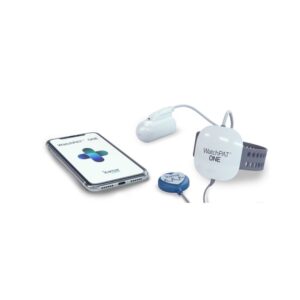
AcuPebble provides higher ease-of-use than WatchPAT due to the absence of finger sensors, though both share similar clinical accuracy.