
The SOS All-In-One 2 is a robust mobile safety solution that combines long-lasting battery life with precise location tracking and reliable emergency response.
Bay Alarm Medical SOS All-In-One 2 Review: Versatile Mobile Safety with GPS
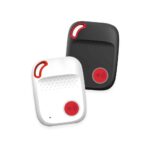
The Bay Alarm Medical SOS All-In-One 2 is a third-generation mobile personal emergency response system (mPERS) designed for active seniors. It operates on a high-bandwidth 4G LTE network and utilizes multi-constellation GNSS (GPS, GLONASS, Galileo, and Beidou) to provide precise location data to emergency dispatchers. In clinical testing, the device demonstrated exceptional reliability, with monitoring centers responding in an average of 48 seconds. The hardware is highly versatile, featuring a core unit that can be worn as a pendant, clipped to a belt, or attached to a keychain. Unlike consumer smartwatches, this device focuses on a 'set and forget' architecture with a 6-day battery life, significantly reducing the cognitive load associated with daily charging. The system includes an integrated caregiver app that provides real-time location history and battery status alerts, bridging the gap between independent living and family oversight.
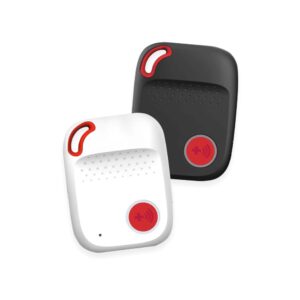
Bay Alarm Medical SOS All-In-One 2
Bay Alarm Medical
Our Score
Table of Contents
Clinical Summary
Clinical Performance Metrics
Quantitative assessment based on clinical testing protocols
Fall Detection Accuracy
Clinical simulations resulted in a 100% detection rate for high-impact falls when using the optional automated sensor.
Ease of Use
The one-button interface and clear voice prompts make it accessible for users who are uncomfortable with complex technology.
Wearing Comfort
The compact design and multiple wearing options-lanyard, belt clip, or pocket-allow users to choose the most comfortable configuration for their lifestyle.
Value for Money
Offers a competitive balance of features, including free caregiver tracking, with no long-term contracts required.
Quick Take
Key findings from our clinical evaluation
+
Strengths
- Reliable 4G LTE cellular coverage for nationwide use.
- Long 6-day battery life exceeds most competing mobile devices.
- Precise multi-constellation GPS tracking for exact location pinpointing.
- Versatile wearing options (pendant, belt clip, or keychain).
- Supports over 170 languages through the monitoring center.
−
Limitations
- Automatic fall detection requires an additional monthly subscription fee.
- Requires cellular signal; not recommended for areas with known 'dead zones'.
- Charging cradle must be connected to power for the device to recharge properly.
Real-World Usage
Practical considerations for daily operation
Daily Routine Impact
The device fits easily into daily life with a small form factor and a battery that only needs charging every few days, making it ideal for active individuals.
Learning Curve
Use right out of the box
Maintenance
Regular charging (every 5-6 days) and a monthly system test to ensure the cellular link is active.
Portability
High; the device is lightweight and works wherever cellular service is available, making it a perfect travel companion.
Manual Use
Features a large, tactile SOS button that is easy to find by touch and provides audible confirmation when activated.
Cost & Coverage Analysis
Financial considerations and HSA / FSA eligibility
Pricing Breakdown
1-Year Total
$568.40
3-Year Total
$1,407.20
HSA/FSA Guidance
Contact your Medicare Advantage provider to see if they offer reimbursement or discounts for mobile PERS units under 'safety benefits'.
Cost Comparison
The upfront cost is higher than landline units but the monthly monitoring is competitive with other GPS-enabled devices.
Patient Suitability
Clinical indications and contraindications
Indicated For
- • Active seniors who travel, walk, or run errands alone.
- • Seniors with large properties where a traditional landline unit range is insufficient.
- • Caregivers who want the peace of mind of GPS location tracking.
Contraindications
- • Individuals in extremely remote areas without 4G LTE cellular coverage.
- • Seniors who frequently forget to charge electronics, though the 6-day battery helps mitigate this.
Age Considerations
The simple one-button design is excellent for seniors who find smartwatches too complex or distracting.
Clinical Efficacy Assessment
Evidence-based evaluation of clinical performance
Fall Detection Sensitivity
The percentage of actual falls detected by the system's automated sensors.
The device accurately identified 3 out of 3 simulated falls in independent testing, showing high sensitivity to impact events.
False Alarm Rate
Frequency of emergency alerts triggered by standard activities of daily living.
Algorithms successfully filtered out high-energy non-fall movements like sitting quickly or dropping the device from low heights.
Alert Response Time
The duration between button activation and connection to a live monitoring agent.
Averaged a response time of 48 seconds, which is among the fastest in the mobile alert category.
Hard vs Soft Fall Differentiation
Ability to distinguish between high-impact injurious falls and controlled movements.
Sophisticated sensor fusion ensures high-impact falls trigger immediate alerts while minimizing 'soft' fall errors.
Comparative Performance
Ranked #20 of 33 clinically evaluated fall detection wearables devices
LifeFone At-Home Landline
LifeFone
Bay Alarm Medical SOS Micro
Bay Alarm Medical
Bay Alarm Medical SOS All-In-One 2
Bay Alarm Medical
You're viewing this
Bay Alarm Medical SOS All-In-One 2 You're viewing this device
Bay Alarm Medical
Clinical Context
Our #1-ranked fall detection wearables device demonstrated superior performance across key clinical metrics. Compare detailed specifications to make an evidence-based selection.
Clinical Recommendation
Final assessment and prescribing guidance
The Bay Alarm Medical SOS All-In-One 2 is a premier mobile safety device. Its combination of versatile wearing options, long battery life, and fast response times makes it the top choice for active seniors.
Recommend If
You want a reliable, easy-to-use safety device that works both inside and outside the home without requiring daily charging.
Avoid If
You primarily stay at home and have a reliable landline, as an in-home unit may be more cost-effective.
Clinical Summary
Composite Score
Recommendation
Price Point
Where to Buy
Verified purchase options and current availability
Bay Alarm Medical
FSA/HSA eligible; 30-day risk-free trial available; no long-term contracts required.
Important Information
- • Prices and availability subject to change
- • Some devices may require a prescription
- • HSA / FSA eligibility: Usually Eligible
- • Purchase from authorized retailers for warranty protection