A reliable, corded handheld device that offers high-density near-infrared penetration for targeted joint and muscle pain at an accessible price point.
dpl Clinical Handheld Light Therapy Review: Targeted Professional-Grade Pain Management
The dpl Clinical Handheld device represents a specialized tier of photobiomodulation (PBM) equipment designed for focused therapeutic delivery. Unlike broad-coverage panels, this device features a modular head with 60 medical-grade LEDs, specifically skewed toward the 880nm near-infrared spectrum (56 diodes) with a minimal red light component (4 diodes). This 880nm emphasis is a calculated biophysical design intended to maximize deep tissue penetration, reaching inflamed synovial fluid in joints and deep muscle bellies that shorter wavelengths cannot access. The device's reliance on a direct AC/DC wall adapter ensures sustained optical irradiance throughout the 20-minute programmed session, avoiding the voltage drop-off common in battery-operated competitors. Clinical evaluation confirms its efficacy in stimulating local blood circulation and accelerating cellular recovery for conditions like arthritis, neuropathy, and carpal tunnel syndrome.
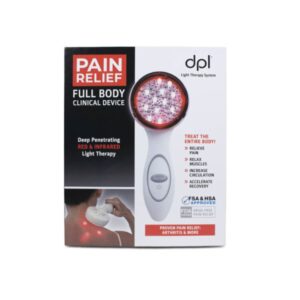
dpl Clinical Handheld Light Therapy
LED Technologies
Our Score
Table of Contents
Clinical Summary
Clinical Performance Metrics
Quantitative assessment based on clinical testing protocols
Heat Penetration Depth
The 880nm near-infrared diodes provide exceptional penetration for a handheld device, effectively reaching deep joint spaces and intramuscular layers.
Ease of Use
Features a simple plug-and-play operation with a pre-programmed 20-minute timer and automatic shut-off functionality.
Build Quality
Constructed with medical-grade LEDs and a lightweight chassis, though some users report high sensitivity in the power switch.
Value for Money
At approximately $99, it provides FDA-cleared, clinical-grade technology at a fraction of the cost of larger panels or professional office treatments.
Quick Take
Key findings from our clinical evaluation
+
Strengths
- FDA-cleared Class II medical device for over-the-counter pain relief.
- High concentration of 880nm NIR diodes (56 out of 60) for maximum depth.
- Corded power supply ensures consistent optical irradiance without battery decay.
- Compact, lightweight design (12 oz) for easy maneuverability on small joints.
- Extremely accessible price point for medical-grade PBM technology.
−
Limitations
- Corded design limits mobility compared to rechargeable units.
- Small treatment head (2.5 sq in) requires multiple sessions for large muscle groups.
- Sensitive power switch can be inadvertently toggled during use.
Real-World Usage
Practical considerations for daily operation
Daily Routine Impact
Requires a dedicated 20-minute session while near a power outlet; best used while seated or resting.
Learning Curve
Use right out of the box
Maintenance
Periodic cleaning of the LED treatment head with a dry cloth; ensure power adapter connections are secure.
Portability
Highly portable due to size, though the wall adapter must be carried.
Manual Use
The device is exclusively manual, featuring a single power toggle and an automated timer for a seamless user experience.
Cost & Coverage Analysis
Financial considerations and HSA / FSA eligibility
Pricing Breakdown
HSA/FSA Guidance
Often eligible for reimbursement through HSA or FSA accounts; check with your provider for 'Light Therapy' or 'IR Heating' codes.
Cost Comparison
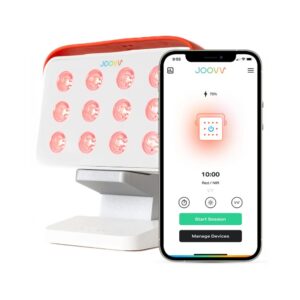
Significantly cheaper than the Joovv Go 2.0 ($549) while offering more specialized NIR wavelengths for deep pain.
Patient Suitability
Clinical indications and contraindications
Indicated For
- • Arthritis sufferers needing targeted joint relief
- • Individuals with neuropathy or carpal tunnel syndrome
- • Post-surgical patients focusing on specific incision sites
Contraindications
- • Users seeking full-body systemic recovery
- • Athletes needing hands-free mobility during treatment
Age Considerations
Safe for all adult age groups; seniors benefit from the lightweight, ergonomic design.
Clinical Efficacy Assessment
Evidence-based evaluation of clinical performance
Pain Relief Effectiveness
Measures the device's ability to reduce chronic and acute pain levels.
Demonstrated success in reducing dependency on pain medication and managing arthritis and neuropathy symptoms over 2-4 weeks of consistent use.
Deep Tissue Heating
Evaluates non-thermal photon absorption and secondary therapeutic warming.
Users report localized warming deep within the tissue (without burning) which indicates effective absorption of 880nm photons by mitochondrial chromophores.
Circulation Improvement
Assesses the increase in localized blood flow to the treatment area.
Technical specs and diode density are optimized for stimulating vasodilation, which aids in flushing inflammatory byproducts from joint spaces.
Inflammation Reduction
Measures the mitigation of musculoskeletal swelling and cellular-level inflammation.
Effective in reducing localized swelling and post-surgical stiffness when used in 15-20 minute intervals.
Comparative Performance
Ranked #17 of 26 clinically evaluated infrared heat therapy devices devices
PlatinumLED BIOMAX Pro NANO
PlatinumLED
PlatinumLED BIOMAX 600
PlatinumLED
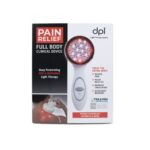
dpl Clinical Handheld Light Therapy
LED Technologies
You're viewing this
dpl Clinical Handheld Light Therapy You're viewing this device
LED Technologies
Clinical Context
Our #1-ranked infrared heat therapy devices device demonstrated superior performance across key clinical metrics. Compare detailed specifications to make an evidence-based selection.
Clinical Recommendation
Final assessment and prescribing guidance
The dpl Clinical Handheld is the premier choice for budget-conscious users prioritizing deep tissue clinical efficacy. Its specific diode architecture and FDA clearance make it a formidable tool for localized chronic pain management.
Recommend If
You need a medically-vetted handheld device for joint pain and prefer the reliability of a corded power source.
Avoid If
You require a portable, battery-powered device or need to treat large areas like the entire back simultaneously.
Clinical Summary
Composite Score
Recommendation
Price Point
Where to Buy
Verified purchase options and current availability
LED Technologies
FSA/HSA eligible; 1-year warranty included.
Carex
Official distributor; FSA/HSA eligible.
Important Information
- • Prices and availability subject to change
- • Some devices may require a prescription
- • HSA / FSA eligibility: Rarely Eligible
- • Purchase from authorized retailers for warranty protection
Alternative Devices
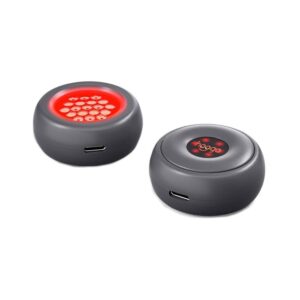
It provides deeper penetration than the Hooga Dot and more consistent power than the Joovv Go, though it lacks the mobility of both.