A revolutionary high-capacity dehumidifier that prioritizes ergonomics and efficiency with its unique nested design and massive water tank.
Midea Cube 50-Pint Smart Dehumidifier (MAD50PS1QWT) Review: Innovative Ergonomic Design
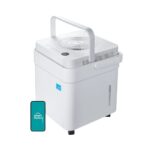
The Midea Cube MAD50PS1QWT represents a significant departure from traditional dehumidifier architecture. Its 'lift-and-twist' nested design allows for a 34-pint water tank, which is three times the capacity of standard 50-pint units. Clinically, this is an essential ergonomic advancement for patients with limited mobility or those who cannot frequently perform the physical task of emptying a water bucket. The unit utilizes R-32 refrigerant, achieving an Integrated Energy Factor (IEF) of 1.95 L/kWh-one of the highest in the 2025 market. Its acoustic profile is equally impressive, operating as low as 42.5 dB, which facilitates deployment in multi-room clinical environments where patient sleep hygiene is a priority. This specific model includes an integrated pump for continuous drainage and smart Wi-Fi connectivity, allowing clinicians or caregivers to monitor indoor air quality remotely. With a coverage area of 4,500 square feet, it is highly effective for maintaining therapeutic relative humidity levels between 30% and 50% in large residential or clinical spaces.
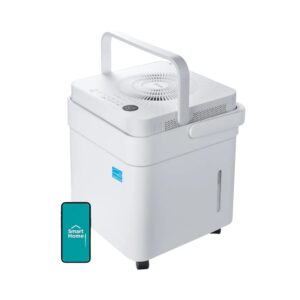
Midea Cube 50-Pint Smart Dehumidifier (MAD50PS1QWT)
Midea
Our Score
Table of Contents
Clinical Summary
Clinical Performance Metrics
Quantitative assessment based on clinical testing protocols
Moisture Removal Capacity
Effectively removes 50 pints per day, providing high-capacity performance for large areas up to 4,500 sq ft.
Ease of Use
The massive 34-pint tank significantly reduces emptying frequency, though lifting the compressor unit requires some physical strength.
Noise Level
One of the quietest units tested, operating between 42.5 and 49 dB, making it ideal for bedrooms or nurseries.
Value for Money
Offers premium energy efficiency, massive tank capacity, and smart features at a competitive price point.
Quick Take
Key findings from our clinical evaluation
+
Strengths
- Massive 34-pint water tank reduces emptying frequency by 3x.
- Highly quiet operation (as low as 42.5 dB) supports sleep hygiene.
- Innovative nested design allows for compact storage when not in use.
- Integrated pump for convenient continuous drainage.
- Smart Wi-Fi connectivity and voice control via smartphone app.
−
Limitations
- Lifting the condenser unit onto the bucket requires physical effort.
- Full water bucket (over 40 lbs) can be difficult to carry if not using the pump.
- Traditional users might find the nested setup process cumbersome.
Real-World Usage
Practical considerations for daily operation
Daily Routine Impact
Significantly reduces maintenance labor due to the large tank; can be monitored remotely to ensure air quality remains within safe limits.
Learning Curve
Master in a day
Maintenance
Periodic rinsing of the air filter and occasional cleaning of the 34-pint reservoir to prevent biofilm buildup.
Portability
High for storage due to nested design, but heavy (41 lbs) for active travel.
Manual Use
Features a modern digital control panel for setting target humidity and fan modes directly on the device.
Cost & Coverage Analysis
Financial considerations and HSA / FSA eligibility
Pricing Breakdown
HSA/FSA Guidance
Often eligible for FSA/HSA reimbursement when prescribed for respiratory health management.
Cost Comparison
Priced similarly to other high-end 50-pint units but offers significantly more water storage and better efficiency.
Patient Suitability
Clinical indications and contraindications
Indicated For
- • Patients with limited mobility who need less frequent bucket emptying.
- • Sleep-sensitive environments like bedrooms or clinical nurseries.
- • Tech-savvy users who prefer remote air quality monitoring.
Contraindications
- • Users who struggle with lifting heavy components during setup.
- • Small spaces where a 34-pint water reservoir footprint is excessive.
Age Considerations
The tank size is a benefit for the elderly, though the initial assembly may require assistance.
Clinical Efficacy Assessment
Evidence-based evaluation of clinical performance
Humidity Reduction Effectiveness
Efficiency in reaching and maintaining a target humidity level.
Maintains precise therapeutic RH levels reliably, supported by its accurate humidistat and smart monitoring.
Allergen & Mold Reduction
Ability to suppress biological contaminants through humidity control.
Effectively inhibits mold and dust mite proliferation by keeping RH within the 30-50% clinical window.
Effective Coverage Area
The maximum area maintained effectively by the unit.
Provides comprehensive coverage for large basements or floor levels up to 4,500 sq ft.
Energy Efficiency
Evaluation based on the Integrated Energy Factor (L/kWh).
Utilizes R-32 refrigerant to achieve a high IEF of 1.95 L/kWh, surpassing many 2025 competitors.
Comparative Performance
Ranked #2 of 25 clinically evaluated dehumidifiers devices
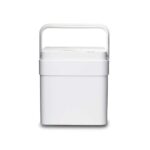
Midea 50-Pint Cube Dehumidifier
Midea
Midea Cube 50-Pint Smart Dehumidifier (MAD50PS1QWT)
Midea
Midea Cube 50-Pint Smart Dehumidifier (MAD50PS1QWT) Current
Midea
Clinical Context
This device scored 3 points behind the highest-rated device in this category. Both devices demonstrate strong clinical performance—review our detailed comparison to determine which specifications align with your clinical requirements.
Clinical Recommendation
Final assessment and prescribing guidance
The Midea Cube is a top-tier choice for modern home environmental control. Its unique combination of quiet operation, high energy efficiency, and massive water storage makes it a primary recommendation for respiratory health management.
Recommend If
You want the most efficient, quietest, and highest-capacity water storage available in a portable 50-pint unit.
Avoid If
You prefer a traditional 'plug-and-play' rectangular dehumidifier without a multi-part assembly.
Clinical Summary
Composite Score
Recommendation
Price Point
Where to Buy
Verified purchase options and current availability
Midea Store
Manufacturer direct; eligible for FSA/HSA with Letter of Medical Necessity.
Amazon
Frequent availability for quick residential delivery.
Important Information
- • Prices and availability subject to change
- • Some devices may require a prescription
- • HSA / FSA eligibility: Rarely Eligible
- • Purchase from authorized retailers for warranty protection
Alternative Devices
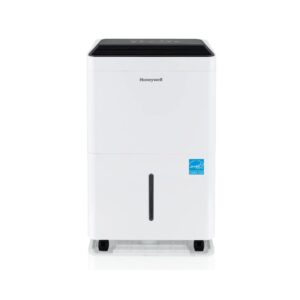
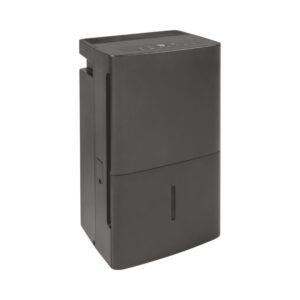
Superior in tank capacity and noise levels compared to the Honeywell and GE 50-pint models, though setup is more unconventional.