The ultimate rugged multi-tool for health, offering medically cleared sleep apnea and cardiac monitoring in a nearly indestructible package.
Apple Watch Ultra 2 Review: The Premier Rugged Health Screening Tool
The Apple Watch Ultra 2 distinguishes itself as the most robust health-monitoring device in the consumer market. Primarily targeted at high-performance users, its health suite is anchored by FDA-cleared Sleep Apnea notifications and a single-lead ECG app. Unlike many lifestyle trackers, the Ultra 2's Sleep Apnea feature is clinically designed to identify signs of moderate to severe conditions by analyzing breathing disturbances via the accelerometer over multiple nights. Its 36-hour battery life and 100-meter water resistance make it uniquely capable of continuous monitoring in environments where standard wearables would fail. While its blood oxygen and temperature sensing are for wellness purposes only, the combination of medically regulated cardiac and sleep screening features provides a high level of clinical utility for the end user.
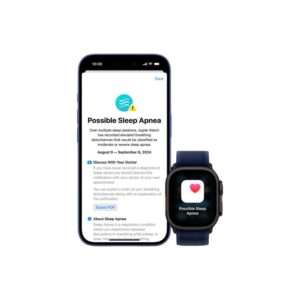
Table of Contents
Clinical Summary
Clinical Performance Metrics
Quantitative assessment based on clinical testing protocols
Diagnostic Accuracy
Medically cleared for ECG rhythm classification and identifying signs of moderate to severe sleep apnea with high specificity.
Ease of Use
Seamless integration with the iPhone Health app and automatic data processing require minimal user intervention.
Wearing Comfort
The larger 49mm titanium case is highly durable but can feel bulky for smaller wrists during overnight sleep tracking.
Value for Money
A high initial investment is balanced by a massive health feature set, premium materials, and no mandatory monthly subscription fees.
Quick Take
Key findings from our clinical evaluation
+
Strengths
- FDA-cleared notifications for moderate to severe sleep apnea.
- Single-lead ECG generates clinical-grade waveforms to detect AFib.
- MIL-STD 810H testing and 100m water resistance ensure extreme durability.
- Up to 36 hours of battery life supports multi-night sleep tracking.
- Automatic irregular heart rhythm notifications background-monitor the user.
−
Limitations
- Large 49mm titanium chassis may be intrusive during overnight wear.
- Restricted to iPhone users running the latest iOS versions.
- Blood oxygen tracking is not intended for medical diagnostic use.
Real-World Usage
Practical considerations for daily operation
Daily Routine Impact
Serves as an all-day fitness and outdoor companion that provides critical health data overnight with minimal disruption due to fast-charging capabilities.
Learning Curve
Use right out of the box
Maintenance
Daily or bi-daily charging; occasional sensor cleaning with a non-abrasive cloth.
Portability
High; utilizes a standard Apple Watch magnetic charger.
Manual Use
The dedicated Action Button and Digital Crown allow for quick health checks and ECG starts directly from the wrist without a phone[cite: 1287].
Cost & Coverage Analysis
Financial considerations and HSA / FSA eligibility
Pricing Breakdown
HSA/FSA Guidance
Often eligible for HSA/FSA reimbursement as a cleared medical device for monitoring diagnosed conditions like AFib.
Cost Comparison
Significantly more expensive than standard smartwatches, but competitive with specialized dive computers and rugged fitness trackers.
Patient Suitability
Clinical indications and contraindications
Indicated For
- • Users needing a rugged, water-resistant health tracker for active lifestyles.
- • Individuals seeking medically cleared sleep apnea screening.
- • Patients requiring portable single-lead ECG recording capability.
Contraindications
- • Android smartphone users.
- • Users who prefer a low-profile wearable for sleep comfort.
Age Considerations
Sleep apnea feature is for users 18+, while ECG functionality is intended for users 22+.
Clinical Efficacy Assessment
Evidence-based evaluation of clinical performance
AHI Detection Accuracy
Measures accuracy in identifying Apnea-Hypopnea Index levels.
The Sleep Apnea Notification Feature is specifically tuned for moderate-to-severe detection in adults without a prior diagnosis.
Sleep Stage Identification
Assesses the accuracy of identifying REM, Light, and Deep sleep states.
Provides high-resolution sleep staging data including time spent in REM, Core, and Deep sleep.
Respiratory Event Detection
Evaluates accuracy in detecting individual breathing disturbances.
Uses a sophisticated accelerometer-based algorithm to track nightly breathing disturbance metrics over time.
In-Lab PSG Correlation
Measures how the device results correlate with in-lab polysomnography.
Algorithm validation confirmed comparable outputs to manual human scoring of PSG studies for apnea indices.
Comparative Performance
Ranked #17 of 25 clinically evaluated home sleep tests devices
Withings Sleep Analyzer
Withings
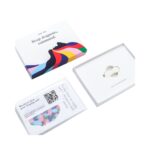
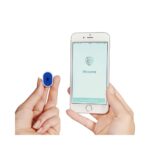
Sunrise Home Sleep Test
Sunrise SA
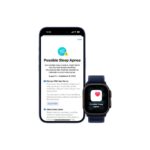
Apple Watch Ultra 2 (HSAT)
Apple
You're viewing this
Apple Watch Ultra 2 (HSAT) You're viewing this device
Apple
Clinical Context
Our #1-ranked home sleep tests device demonstrated superior performance across key clinical metrics. Compare detailed specifications to make an evidence-based selection.
Clinical Recommendation
Final assessment and prescribing guidance
The Apple Watch Ultra 2 is a tour de force of wearable health technology. It successfully bridges the gap between rugged outdoor equipment and clinical-grade medical screening, making it the top choice for those who demand durability alongside scientific accuracy.
Recommend If
You want the most durable smartwatch available with the highest degree of medically cleared heart and sleep features.
Avoid If
You find bulky watches uncomfortable for sleeping or use an Android device.
Clinical Summary
Composite Score
Recommendation
Where to Buy
Verified purchase options and current availability
Apple Store
Customizable band options; price not verified in document.
Important Information
- • Prices and availability subject to change
- • Some devices may require a prescription
- • HSA / FSA eligibility: Rarely Eligible
- • Purchase from authorized retailers for warranty protection
Alternative Devices
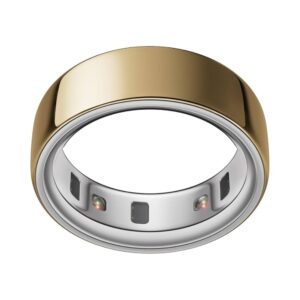
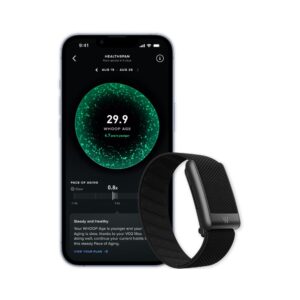
Offers significantly more clinical utility and durability than the WHOOP or Oura Ring, though at a higher weight and price point[cite: 1282, 1292].