The Frontier X Plus is the ultimate wearable for athletes who need real-time, continuous ECG feedback during extreme physical exertion.
Fourth Frontier X Plus Review: Continuous Cardiac Monitoring for Endurance Athletes
The Fourth Frontier X Plus distinguishes itself from traditional spot-check ECG monitors by providing continuous recording during vigorous exercise. Worn as a chest strap, it captures high-fidelity Lead I ECG data, heart rate, and breathing rate. Its standout feature is the cardiac 'Strain' metric, which provides vibration alerts when the user exceeds personalized safe thresholds, helping to prevent overexertion. The device syncs data to a mobile app and a sophisticated web-based cloud platform for in-depth analysis of rhythm and performance metrics. While it requires the use of a chest strap, the signal quality during high-movement activities is superior to wrist-based sensors, making it a professional-grade tool for endurance monitoring.
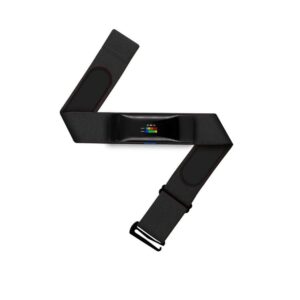
Table of Contents
Clinical Summary
Clinical Performance Metrics
Quantitative assessment based on clinical testing protocols
ECG Accuracy
Chest-strap design provides high-fidelity Lead I traces with minimal motion artifact, even at high heart rates.
Ease of Use
Requires moistening electrodes and proper strap tensioning, which is more involved than a watch but ensures better data.
App & Data Quality
The web application offers professional-level graphing, trend analysis, and the unique cardiac 'Strain' metric.
Value for Money
Premium price point reflects its unique capability for continuous monitoring during activity, though it lacks some general smartwatch features.
Quick Take
Key findings from our clinical evaluation
+
Strengths
- Continuous ECG recording during high-intensity exercise
- Real-time vibration alerts for heart strain and high heart rates
- Tracks breathing rate alongside cardiac metrics
- Web-based clinician portal for detailed professional review
- IP67 water resistance suitable for sweat and rain
−
Limitations
- Requires wearing a chest strap (less convenient for 24/7 use)
- Large activity files can take time to sync via Bluetooth
- Higher entry cost compared to simple handheld monitors
Real-World Usage
Practical considerations for daily operation
Daily Routine Impact
Easily integrated into workout sessions; it effectively replaces standard heart rate monitors with far more detailed cardiac safety data.
Learning Curve
Master in an hour
Maintenance
Periodic hand-washing of the elastic chest strap; sensor charging via USB-C.
Portability
Highly portable; includes a small carrying case for the sensor and strap.
Manual Use
The device can start and stop recordings and provide vibration alerts entirely standalone, though the app is required to view the data.
Cost & Coverage Analysis
Financial considerations and HSA / FSA eligibility
Pricing Breakdown
HSA/FSA Guidance
Generally classified as a fitness performance tool; check for HSA/FSA eligibility under cardiovascular health monitoring.
Cost Comparison
More expensive than a Fitbit or basic Kardia, but it is one of the few consumer devices offering continuous ECG during heavy movement.
Patient Suitability
Clinical indications and contraindications
Indicated For
- • Endurance athletes (runners, cyclists, triathletes)
- • Individuals with exercise-induced cardiac symptoms
- • Patients in post-cardiac rehab needing exercise surveillance
Contraindications
- • Users who find chest straps uncomfortable or restrictive
- • Those only needing occasional, sedentary heart checks
Age Considerations
Designed for adult use; suitable for active individuals across all adult age groups.
Clinical Efficacy Assessment
Evidence-based evaluation of clinical performance
Arrhythmia Detection Accuracy
The ability of the device to correctly identify various heart rhythm abnormalities.
Capable of identifying sinus rhythm and AFib, though the manual emphasizes the importance of clinician review for definitive diagnosis.
AFib Detection Sensitivity
How reliably the device identifies Atrial Fibrillation when it is present.
Continuous monitoring significantly increases the probability of capturing paroxysmal AFib episodes during daily life or exercise.
ECG Signal Quality
The clarity and stability of the ECG trace, minimizing interference and noise.
The chest strap placement provides a far more stable signal than wrist-based devices during high-intensity movement.
Clinical-Grade Correlation
The degree to which the device's output correlates with professional hospital equipment.
Standard Lead I morphology used is consistent with clinical ambulatory monitoring standards.
Comparative Performance
Ranked #12 of 13 clinically evaluated personal ecg monitors devices
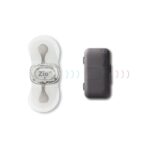
AliveCor KardiaMobile Card
AliveCor
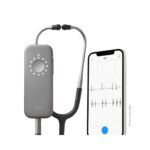
Eko DUO (ECG + Stethoscope)
Eko
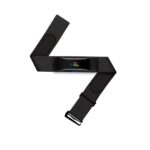
Fourth Frontier X Plus
Fourth Frontier
You're viewing this
Fourth Frontier X Plus You're viewing this device
Fourth Frontier
Clinical Context
Our #1-ranked personal ecg monitors device demonstrated superior performance across key clinical metrics. Compare detailed specifications to make an evidence-based selection.
Clinical Recommendation
Final assessment and prescribing guidance
The Fourth Frontier X Plus is the premier choice for active individuals who need real-time cardiac safety monitoring. Its ability to provide continuous ECG during movement is a major clinical advantage.
Recommend If
You are an athlete who wants to monitor your heart's health and rhythm under the stress of high-intensity training.
Avoid If
You prefer a wrist-worn or credit-card-sized device and only require infrequent, stationary ECG checks.
Clinical Summary
Composite Score
Recommendation
Price Point
Where to Buy
Verified purchase options and current availability
Fourth Frontier (Direct)
FSA/HSA eligible; includes access to the Frontier health portal.
Amazon
Occasionally available with seasonal discounts.
Important Information
- • Prices and availability subject to change
- • Some devices may require a prescription
- • HSA / FSA eligibility: Rarely Eligible
- • Purchase from authorized retailers for warranty protection
Alternative Devices
It provides continuous monitoring where most competitors only offer 30-second snapshots, making it superior for performance and safety tracking.