The Zio Monitor is the premier clinical solution for long-term ambulatory monitoring, offering unmatched patient compliance and diagnostic yield.
iRhythm Zio Monitor Review: The Gold Standard for Long-Term Arrhythmia Detection
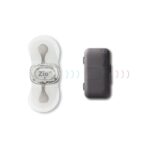
The iRhythm Zio Monitor represents the pinnacle of 'wear and forget' medical technology. Unlike traditional Holter monitors that only record for 24-48 hours, the Zio patch provides continuous single-lead ECG recording for up to 14 days. This extended duration significantly increases the probability of detecting transient arrhythmias, such as paroxysmal atrial fibrillation or symptomatic bradycardia. The device is a small, water-resistant adhesive patch with no external wires or electrodes, which drastically improves patient compliance compared to bulky alternatives. Clinical data shows that the Zio monitor's long-term recording capability leads to a higher diagnostic yield and more definitive clinical actions. Data is analyzed by iRhythm's proprietary AI and certified cardiographic technicians, culminating in a comprehensive report for the prescribing physician. While it does not provide real-time feedback to the patient, its clinical accuracy and ease of use make it the preferred choice for professional diagnostic monitoring.
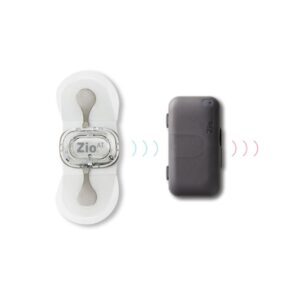
Table of Contents
Clinical Summary
Clinical Performance Metrics
Quantitative assessment based on clinical testing protocols
ECG Accuracy
The Zio monitor records every heartbeat continuously with clinical-grade precision, validated against traditional hospital-grade ambulatory systems.
Ease of Use
Application is a simple 'peel and stick' process. There are no batteries to change or wires to manage; users simply press the center button to log symptoms.
App & Data Quality
The MyZio app is highly effective for logging symptoms in real-time, though it does not show the live ECG trace to the user.
Value for Money
As a prescription service, the value is found in its high diagnostic success rate, often preventing the need for repeat testing.
Quick Take
Key findings from our clinical evaluation
+
Strengths
- Continuous 14-day recording captures infrequent symptoms
- Completely wireless, allowing for normal daily activity and exercise
- Water-resistant design permits showering while wearing the patch
- Professional analysis of data by certified technicians
- High patient compliance due to simple 'apply and forget' design
−
Limitations
- Requires a physician's prescription to use
- No real-time ECG viewing for the patient
- Potential for skin irritation from long-term adhesive contact
Real-World Usage
Practical considerations for daily operation
Daily Routine Impact
Impact is minimal. Once applied, the user can sleep, shower, and exercise normally. The only requirement is to press the button if a symptom is felt and log it in the MyZio app.
Learning Curve
Use right out of the box
Maintenance
None. The device is single-use and disposable. It is mailed back to the manufacturer at the end of the wear period.
Portability
Excellent; the user wears the device, so there is nothing extra to carry during travel.
Manual Use
The device functions entirely on its own once applied. The app is helpful but not strictly required if the user uses the physical symptom log provided in the kit.
Cost & Coverage Analysis
Financial considerations and HSA / FSA eligibility
Pricing Breakdown
HSA/FSA Guidance
Most major insurers and Medicare cover the Zio service when prescribed for symptoms like palpitations, dizziness, or suspected AFib.
Cost Comparison
While a 14-day service is more expensive than a consumer device, it is cost-effective compared to repeat 24-hour Holters or expensive ER visits for undiagnosed symptoms.
Patient Suitability
Clinical indications and contraindications
Indicated For
- • Patients with infrequent symptoms that spot-checkers miss
- • Individuals who struggle with the wires of traditional Holter monitors
- • Post-stroke patients needing long-term AFib screening
Contraindications
- • Individuals with severe allergies to medical adhesives
- • Users wanting immediate, real-time ECG results on their phone
Age Considerations
Appropriate for all adults. Elderly patients benefit significantly from the lack of complex controls or maintenance.
Clinical Efficacy Assessment
Evidence-based evaluation of clinical performance
Arrhythmia Detection Accuracy
The ability of the device to correctly identify various heart rhythm abnormalities.
Continuous recording ensures that every arrhythmia occurring during the wear period-from AFib to VT-is captured and analyzed.
AFib Detection Sensitivity
How reliably the device identifies Atrial Fibrillation when it is present.
The 14-day monitoring window provides a much higher sensitivity for paroxysmal AFib compared to 24-hour or spot-check monitors.
ECG Signal Quality
The clarity and stability of the ECG trace, minimizing interference and noise.
The patch design minimizes motion artifacts and cable noise, though signal quality depends on proper skin preparation and adhesive integrity.
Clinical-Grade Correlation
The degree to which the device's output correlates with professional hospital equipment.
The final reports are physician-ready and widely accepted across cardiology practices as definitive diagnostic evidence.
Comparative Performance
Ranked #3 of 13 clinically evaluated personal ecg monitors devices
Clinical Context
While ranked #3 in our clinical evaluation, this device may offer specific advantages based on individual patient needs and use cases. Review the top-rated device to understand key performance differentiators.
Clinical Recommendation
Final assessment and prescribing guidance
The iRhythm Zio Monitor is the gold standard for clinical ambulatory ECG monitoring. If your physician suspects a heart rhythm issue that doesn't happen every day, this is the most reliable tool to find it.
Recommend If
Your doctor has prescribed a heart monitor for symptoms that occur sporadically over several days.
Avoid If
You want a device for general health curiosity or personal on-demand rhythm checks.
Clinical Summary
Composite Score
Recommendation
Where to Buy
Verified purchase options and current availability
iRhythm Technologies (Prescription Service)
Prescription required; typically covered by Medicare and most commercial insurance plans. Patients may owe a deductible/copay.
Byram Healthcare
Authorized medical supplier for cardiac telemetry; requires physician order and insurance verification.
Important Information
- • Prices and availability subject to change
- • Some devices may require a prescription
- • HSA / FSA eligibility: Usually Eligible
- • Purchase from authorized retailers for warranty protection
Alternative Devices
Zio offers a longer monitoring window than the Apple Watch or KardiaMobile, making it superior for diagnosing rare events, but it lacks the on-demand convenience of consumer devices.