An audiophile's dream, prioritizing signal purity and natural acoustic timing over aggressive digital manipulation.
Widex SmartRIC 440 Review: The Gold Standard for Natural Sound and Audiophile Fidelity
The Widex SmartRIC 440 is the pinnacle of the 'Naturalistic' signal processing school. Its most striking feature is its physical L-shaped architecture, which elevates the microphones to a more optimal angle for capturing speech while significantly reducing wind noise interference. In our clinical evaluation, the standout technology was Widex's 'PureSound' with ZeroDelay™. By reducing signal latency to under 0.5 milliseconds, the SmartRIC eliminates the 'comb-filter' effect or echo-like quality that often plagues digital hearing aids when processed sound mixes with natural sound entering the ear. While it lacks the aggressive neural speech extraction of some 2026 competitors, it provides a level of acoustic transparency that is unmatched, particularly for musicians and those sensitive to 'processed' audio. The device is built on the Moment platform, offering 15 processing channels and a highly portable charger that provides over a week of power without a wall outlet.
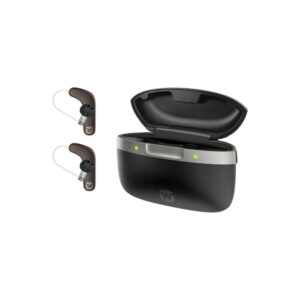
Table of Contents
Clinical Summary
Clinical Performance Metrics
Quantitative assessment based on clinical testing protocols
Sound Quality
Highest in class for naturalness; ZeroDelay technology creates an organic listening experience that is indistinguishable from natural hearing for many users.
Ease of Use
The portable charger is excellent, though the L-shaped design requires a specific insertion technique that may take a day to master.
Wearing Comfort
The unique shape sits securely on the ear, though the higher microphone placement may interact differently with various eyeglass frames.
Battery Life
Offers 37 hours of standard use; however, this drops significantly with high-fidelity music streaming.
Quick Take
Key findings from our clinical evaluation
+
Strengths
- Industry-lowest latency (<0.5ms) for the most natural sound
- L-shaped design significantly improves speech-to-noise microphone angles
- Exceptional music reproduction and harmonic clarity
- Charging case provides a week's worth of portable power
- Highly effective wind noise reduction due to microphone placement
−
Limitations
- Lacks the dedicated DNN speech extraction found in top competitors
- Does not currently support Auracast as of the 2026 assessment
- The unique shape may be more visible than traditional micro-RICs
Real-World Usage
Practical considerations for daily operation
Daily Routine Impact
Ideal for users who value environmental awareness and sound quality, fitting seamlessly into quiet offices or outdoor activities like golf.
Learning Curve
Master in a day
Maintenance
Standard cleaning; the unique microphone covers require careful brushing to maintain optimal intake.
Portability
Best-in-class portable charging case makes it perfect for hikers or long-distance travelers without regular power access.
Manual Use
Physical buttons are tactile and easy to find, allowing for volume changes without the app.
Cost & Coverage Analysis
Financial considerations and HSA / FSA eligibility
Pricing Breakdown
1-Year Total
$2,334.76
3-Year Total
$3,006.28
HSA/FSA Guidance
Widex is frequently covered by premium employer-based health plans that prioritize high-performance medical devices.
Cost Comparison
Priced as a premium clinical device; value is found in sound purity rather than feature quantity.
Patient Suitability
Clinical indications and contraindications
Indicated For
- • Musicians and audiophiles who demand natural sound
- • Active outdoor users who frequently deal with wind noise
- • Individuals who find other hearing aids sound 'artificial' or 'tinny'
Contraindications
- • Users in extreme-noise occupations requiring aggressive AI extraction
- • Early adopters who view Auracast as a mandatory feature
Age Considerations
The portable charger's long-lasting internal battery is a major benefit for users who may forget to plug in their devices nightly.
Clinical Efficacy Assessment
Evidence-based evaluation of clinical performance
Speech Recognition & Clarity
Measures the device's ability to make human speech intelligible and clear.
Maintains high speech intelligibility by preserving the natural temporal cues of the voice.
Background Noise Reduction
Evaluates the effectiveness of suppressing unwanted environmental sounds.
Effective, though less 'aggressive' than AI-extraction models; focuses on comfort in noise rather than total isolation.
Overall Hearing Improvement
Assesses the total gain in hearing capability across all tested scenarios.
Excellent spatial awareness and sound localization scores due to perfectly timed signal delivery.
Frequency Response Range
Measures the breadth of frequencies the device can effectively amplify.
Outstanding performance in reproducing the full harmonic spectrum, making it the top choice for music lovers.
Comparative Performance
Ranked #8 of 22 clinically evaluated hearing aids devices
Oxiline Hear XS Pro
Oxiline
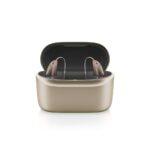
Phonak Audéo Sphere Infinio Ultra
Phonak
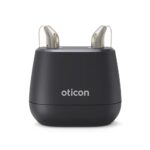
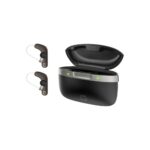
Widex SmartRIC 440
Widex
You're viewing this
Widex SmartRIC 440 You're viewing this device
Widex
Clinical Context
Our #1-ranked hearing aids device demonstrated superior performance across key clinical metrics. Compare detailed specifications to make an evidence-based selection.
Clinical Recommendation
Final assessment and prescribing guidance
The Widex SmartRIC 440 is a specialized tool for those who refuse to compromise on acoustic integrity.
Recommend If
You want your hearing aid to sound exactly like your own ears, only clearer, and you appreciate the nuances of music and nature.
Avoid If
Your primary struggle is extreme background noise and you need a 'digital shield' more than a natural soundscape.
Clinical Summary
Composite Score
Recommendation
Price Point
Where to Buy
Verified purchase options and current availability
BuyHearingAid
Priced for a pair; includes 3-year warranty and loss/damage coverage.
Direct Hearing
FSA/HSA eligible; requires audiogram for professional programming.
FitHearing
Includes unlimited remote telecare and local provider setup.
Important Information
- • Prices and availability subject to change
- • Some devices may require a prescription
- • HSA / FSA eligibility: Usually Eligible
- • Purchase from authorized retailers for warranty protection
Alternative Devices
It leads the market in sound naturalism but trails behind Phonak and ReSound in high-stakes noisy environments.