The Ordo Sonic Lite pairs excellent USB-C battery life and lightweight aesthetics for just $40, though it sacrifices advanced pressure sensing.
Ordo Sonic Lite Review: Aesthetic USB-C Sonic Power on a Budget
For consumers seeking an aesthetically pleasing, no-frills sonic experience on a strict budget, the Ordo Sonic Lite is a formidable contender. Generating 35,000 sonic pulses per minute, the motor provides an effective, sweeping clean that clinically challenges devices costing twice as much. The device truly shines in its mechanical practicality: it features modern USB-C charging directly into the base of the handle, entirely eliminating the need to transport bulky induction docks. Powered by a highly reliable Lithium-Ion battery, it provides over five weeks (35 days) of operational time on a single charge. Weighing a mere 97 grams, it is highly maneuverable and minimizes user fatigue. Its lower score reflects its bare-bones nature-it lacks a travel case, features only two basic brushing modes (Clean and Sensitive), and most critically, lacks advanced visual pressure sensitivity beyond basic motor feedback.
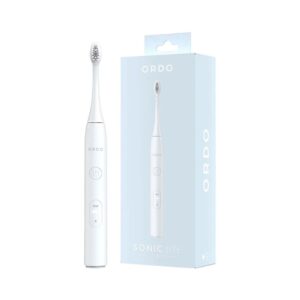
Table of Contents
Clinical Summary
Clinical Performance Metrics
Quantitative assessment based on clinical testing protocols
Accuracy
Provides a highly effective sonic sweep at 35,000 pulses per minute, though it is limited to two basic brushing intensities.
Ease of Use
Incredibly lightweight at 97 grams, minimizing wrist fatigue, and the direct USB-C charging is phenomenally convenient.
Reliability
The lithium-ion battery is highly reliable, offering 35 solid days of use per charge, outpacing many legacy brand competitors.
Value for Money
At roughly $40, it is a stellar value for a brush with this battery architecture and motor output, though generic replacement head options are somewhat limited.
Quick Take
Key findings from our clinical evaluation
+
Strengths
- Direct USB-C charging eliminates bulky proprietary docks
- Excellent 35-day (5-week) lithium-ion battery life
- Highly affordable $39.99 price point
- Ultra-lightweight 97-gram handle prevents wrist fatigue
- Capable 35,000 sonic pulses per minute
−
Limitations
- Lacks a visual pressure sensor to warn against over-brushing
- Bare-bones features with only two brushing modes
- Does not include a travel case despite its travel-friendly battery
Real-World Usage
Practical considerations for daily operation
Daily Routine Impact
Sleek and unobtrusive on a bathroom counter, eliminating messy charging cables by only needing a standard USB-C plug-in once every five weeks.
Learning Curve
Use right out of the box
Maintenance
Standard rinsing and brush head replacement; charge once a month with a standard USB-C cable.
Portability
Excellent. The direct USB-C port and 35-day battery make it a superb travel companion, though you will need to provide your own toiletry bag to protect the bristles.
Manual Use
Incredibly simple. One tactile button toggles between the Clean and Sensitive modes, with standard 2-minute pacing and 30-second quadrant intervals.
Cost & Coverage Analysis
Financial considerations and HSA / FSA eligibility
Pricing Breakdown
HSA/FSA Guidance
At under $40, it is highly accessible out-of-pocket, though it may be eligible for FSA/HSA reimbursement depending on your plan details.
Cost Comparison
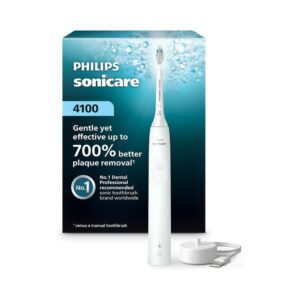
Matches the Philips Sonicare 4100 in price, but trades the Sonicare's essential pressure sensor for a drastically better battery life and modern USB-C convenience.
Patient Suitability
Clinical indications and contraindications
Indicated For
- • Budget shoppers wanting a modern, minimalist aesthetic
- • Travelers entirely tired of packing proprietary charging docks
- • Users who prefer an ultra-lightweight, nimble handle
Contraindications
- • Users with a history of brushing too hard who critically need a visual pressure sensor
- • Consumers who want multiple brushing modes or smart tracking capabilities
Age Considerations
Great for teenagers and adults. The lightweight 97g handle makes it very easy to maneuver for individuals with smaller hands or minor dexterity issues.
Clinical Efficacy Assessment
Evidence-based evaluation of clinical performance
Primary Outcome
Measures the percentage reduction in whole-mouth plaque scores over the trial period.
Effectively sweeps away surface plaque and marginal biofilm via reliable sonic fluid dynamics.
Secondary Outcome
Measures the reduction of gingival inflammation and bleeding on probing.
Improves overall gum health compared to manual brushing, but the absence of a visual pressure sensor means heavy-handed users may still cause mild irritation.
Comparative Performance
Ranked #13 of 21 clinically evaluated electric toothbrush devices
Oral-B Pro 1000
Oral-B
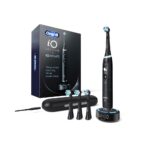
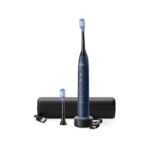
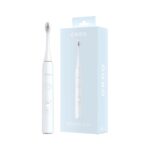
Ordo Sonic Lite
Ordo
You're viewing this
Ordo Sonic Lite You're viewing this device
Ordo
Clinical Context
Our #1-ranked electric toothbrush device demonstrated superior performance across key clinical metrics. Compare detailed specifications to make an evidence-based selection.
Clinical Recommendation
Final assessment and prescribing guidance
The Ordo Sonic Lite is a beautifully minimalist, budget-friendly sonic brush. While the lack of a visual pressure sensor is a clinical drawback, its USB-C charging and 5-week battery make it incredibly practical for the modern user.
Recommend If
You want a sleek, lightweight sonic toothbrush that charges via standard USB-C and costs less than $50.
Avoid If
You have receding gums or a heavy hand and critically need a visual pressure sensor to guide your brushing force.
Clinical Summary
Composite Score
Recommendation
Price Point
Where to Buy
Verified purchase options and current availability
Target
Available in multiple aesthetic colorways in-store and online.
Ordo Official Store
Offers subscription discounts on replacement brush heads directly through the manufacturer.
Important Information
- • Prices and availability subject to change
- • Some devices may require a prescription
- • HSA / FSA eligibility: Not Typically Eligible
- • Purchase from authorized retailers for warranty protection
Alternative Devices
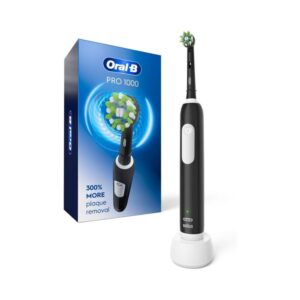
It thoroughly beats the Oral-B Pro 1000 and Sonicare 4100 in battery technology, charging convenience, and weight, but loses clinical points for lacking their protective pressure sensors.