The Colgate Hum offers engaging smart features and a compact design, but its flawed bristle architecture and meager battery life severely hinder its clinical value.
Colgate Hum Rechargeable Review: Gamified Brushing Falls Short on Clinical Power
The Colgate Hum represents a strategic attempt by a legacy brand to capture the youth and tech-adjacent market by integrating gamified brushing metrics into an extremely compact, colorful chassis. The companion smartphone application tracks brushing frequency and spatial coverage, actively rewarding users with points that can be redeemed within a proprietary ecosystem for replacement heads or partner products. Mechanically, the brush operates at 30,000 sonic vibrations per minute across three modes (Normal, Sensitive, Deep Clean). Unfortunately, detailed clinical performance analysis indicates that the cleaning efficacy is noticeably below average for the sonic category. The primary culprit is the proprietary brush head design, which features excessively long 'whisker' bristles on the perimeter that physically prevent the denser inner bristles from making solid, plaque-disrupting contact with the enamel. Furthermore, the rechargeable battery yields a meager 10 days of use, rendering it operationally inferior to comparably priced competitors.
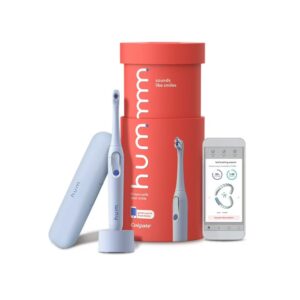
Table of Contents
Clinical Summary
Clinical Performance Metrics
Quantitative assessment based on clinical testing protocols
Accuracy
Noticeably below average for the sonic category; the long perimeter bristles prevent the dense inner core from achieving firm, plaque-disrupting contact with the tooth surface.
Ease of Use
The lightweight, compact chassis is easy to maneuver, and the gamified app is genuinely engaging, encouraging better brushing habits through a rewards system.
Reliability
The rechargeable battery yields a highly disappointing 10 days of use per charge, falling significantly behind modern electric toothbrush standards.
Value for Money
While it offers smart tracking at a lower price point, the subpar clinical cleaning and short battery life make it a poor long-term value compared to bare-bones clinical models.
Quick Take
Key findings from our clinical evaluation
+
Strengths
- Engaging app gamifies brushing and rewards points for replacement heads
- Extremely compact and colorful, lightweight chassis
- Delivers 30,000 sonic vibrations per minute
- Includes three distinct brushing modes (Normal, Sensitive, Deep Clean)
- Brush head features an integrated tongue scraper
−
Limitations
- Flawed bristle design severely reduces clinical plaque-removal efficacy
- Meager 10-day battery life requires frequent charging
- Focuses more on tech gimmicks than fundamental mechanical refinement
Real-World Usage
Practical considerations for daily operation
Daily Routine Impact
Encourages a more consistent routine through its point-based reward system, but the frequent need to recharge the 10-day battery adds annoying operational friction.
Learning Curve
Master in a day
Maintenance
Requires frequent charging every 10 days, regular syncing with the smartphone app to claim points, and replacing the proprietary heads every 3 months.
Portability
The physical handle is highly compact and travel-friendly, but the short 10-day battery necessitates bringing the proprietary charger on almost any trip.
Manual Use
Functions as a basic, three-mode sonic toothbrush without the app, but users miss out entirely on the point-accrual ecosystem that represents the device's main selling point.
Cost & Coverage Analysis
Financial considerations and HSA / FSA eligibility
Pricing Breakdown
HSA/FSA Guidance
Standard dental insurance does not cover the device, though users may attempt to use FSA/HSA funds if a dentist issues a letter of medical necessity.
Cost Comparison
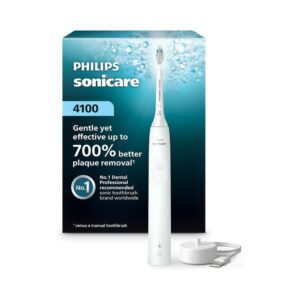
Priced similarly to the clinically superior Philips Sonicare 4100, but offers Bluetooth tracking at the expense of brushing efficacy and battery longevity.
Patient Suitability
Clinical indications and contraindications
Indicated For
- • Teenagers and young adults motivated by gamified rewards
- • Tech-adjacent users who strictly want to track brushing metrics on a budget
- • Consumers looking for a highly compact, colorful bathroom accessory
Contraindications
- • Users prioritizing maximum plaque removal and clinical efficacy
- • Frequent travelers who demand multi-week battery life
Age Considerations
Highly appropriate for older children and teenagers, as the gamified reward system is specifically designed to correct poor brushing habits in younger demographics.
Clinical Efficacy Assessment
Evidence-based evaluation of clinical performance
Primary Outcome
Measures the percentage reduction in whole-mouth plaque scores over the trial period.
Struggles to remove interproximal plaque as effectively as competitors due to the mechanical standoff created by the perimeter bristles.
Secondary Outcome
Measures the reduction of gingival inflammation and bleeding on probing.
The soft bristles with the integrated tongue scraper are gentle on soft tissues, but the lack of thorough plaque removal hinders significant gingival recovery.
Comparative Performance
Ranked #21 of 21 clinically evaluated electric toothbrush devices
Oral-B Pro 1000
Oral-B
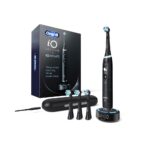
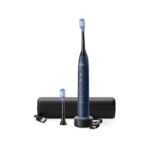
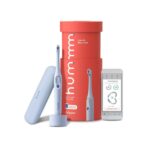
Colgate Hum Rechargeable
Colgate
You're viewing this
Colgate Hum Rechargeable You're viewing this device
Colgate
Clinical Context
Our #1-ranked electric toothbrush device demonstrated superior performance across key clinical metrics. Compare detailed specifications to make an evidence-based selection.
Clinical Recommendation
Final assessment and prescribing guidance
The Colgate Hum Rechargeable is a brilliant concept hindered by flawed execution. While the gamified app successfully encourages better brushing habits, the subpar bristle design and 10-day battery make it difficult to recommend clinically.
Recommend If
You struggle with brushing motivation and want an app that actively rewards you with free brush heads for maintaining a good routine.
Avoid If
You want the cleanest teeth possible, hate charging your bathroom devices frequently, or have no interest in bringing your smartphone into the bathroom.
Clinical Summary
Composite Score
Recommendation
Price Point
Where to Buy
Verified purchase options and current availability
Best Buy
FSA/HSA eligible. Available in multiple colorways including Blue, Teal, and Purple.
Important Information
- • Prices and availability subject to change
- • Some devices may require a prescription
- • HSA / FSA eligibility: Not Typically Eligible
- • Purchase from authorized retailers for warranty protection
Alternative Devices
It provides much more data tracking than the Philips Sonicare 4100 or Oral-B Pro 1000, but falls noticeably short of both in raw, clinical plaque disruption and battery architecture.