
MobileHelp Classic Cellular vs LifeFone VIPx2 - Clinical Comparison
Compare MobileHelp Classic Cellular and LifeFone VIPx2 side-by-side with clinical performance scores, FDA status, pricing, and expert recommendations
Performance Metrics
Performance Metrics
Response Reliability
Measures the consistency and speed of the device connecting to the emergency response center.
Response Reliability
Measures the consistency and speed of the device connecting to the emergency response center.
Ease of Use
Evaluates the simplicity of setup, daily operation, and navigation for the end user.
Ease of Use
Evaluates the simplicity of setup, daily operation, and navigation for the end user.
Coverage & Range
Assesses the maximum distance the wearable button can function from the base station.
Coverage & Range
Assesses the maximum distance the wearable button can function from the base station.
Value for Money
Weights the features and clinical efficacy against the upfront and monthly costs.
Value for Money
Weights the features and clinical efficacy against the upfront and monthly costs.
Clinical Efficacy
Clinical Efficacy
Emergency Response Time
The duration between pressing the button and speaking with a trained dispatcher.
Emergency Response Time
The duration between pressing the button and speaking with a trained dispatcher.
Fall Detection Accuracy
The precision of algorithms in identifying true falls versus daily activities.
Fall Detection Accuracy
The precision of algorithms in identifying true falls versus daily activities.
GPS Location Accuracy
The ability to pinpoint the user's location during an emergency call.
GPS Location Accuracy
The ability to pinpoint the user's location during an emergency call.
Connection Reliability
The stability of the telecommunications link under stress or power failure.
Connection Reliability
The stability of the telecommunications link under stress or power failure.
Specifications
| Specification | MobileHelp Classic Cellular | LifeFone VIPx2 |
|---|---|---|
| Price | N/A | N/A |
| FDA Status | FDA Registered | FDA Registered |
| Clinical Evidence | Strong Clinical Evidence | Strong Clinical Evidence |
| Clinical Recommendation | Highly Recommended | Highly Recommended |
| Connectivity |
cellular
|
wifi
cellular
|
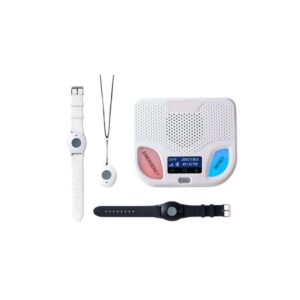
MobileHelp Classic Cellular
Strengths
- ✓ Industry-leading 1,400-foot radio-frequency signal range.
- ✓ No upfront equipment or activation fees.
- ✓ Reliable 30-hour backup battery for base station power resilience.
- ✓ Supports optional automatic fall detection (as a separate pendant).
- ✓ Clear two-way audio communication through the base unit speaker.
Limitations
- × Stationary design limits safety monitoring to the domestic property only.
- × Fall detection is an optional monthly add-on ($10-$11).
- × Lacks the lifestyle apps (weather/fitness) found in mobile wearables.
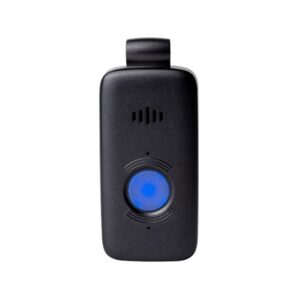
LifeFone VIPx2
Strengths
- ✓ Industry-leading 18-day battery life reduces charging requirements.
- ✓ Zero upfront equipment, activation, or programming fees.
- ✓ Triple location tracking (GPS, Wi-Fi, LTE) for precision accuracy.
- ✓ Professional monitoring via U.S.-based, Five Diamond Certified centers.
- ✓ Water-resistant design suitable for protection during hygiene routines.
Limitations
- × Caregiver mobile application requires a separate monthly subscription fee.
- × Automatic fall detection is an optional upgrade rather than a standard feature.
- × Pendant design is functional but lacks the discreet aesthetics of smartwatches.
Expert Review Summary
Our clinical assessment and verdict for each device
MobileHelp Classic Cellular
"The MobileHelp Classic Cellular is a high-value, reliable in-home system that stands out for its exceptional 1,400-foot signal range and lack of upfront costs."
The MobileHelp Classic Cellular represents one of the strongest value propositions in the 2026 medical alert market. Clinical evaluation highlights its industry-best 1,400-foot radio-frequency range, which provides a significantly larger safety net than many competitors, allowing users to move freely in large yards or garages. The system operates on AT&T's 4G LTE network, ensuring reliable connectivity without a landline. During performance testing, it delivered a consistent average response time of 31 seconds. The base station includes an intuitive high-quality display and a 30-hour backup battery to mitigate risks during power failures. While the system lacks GPS for use away from home, its robust in-home coverage and optional fall detection make it an ideal recommendation for seniors who spend the majority of their time at their residence.
LifeFone VIPx2
"The LifeFone VIPx2 offers unmatched battery endurance, making it the top choice for active seniors who prioritize continuous protection with minimal maintenance."
The LifeFone VIPx2 represents the pinnacle of device autonomy in the 2026 mobile Personal Emergency Response System (PERS) market. Clinical evaluation identifies its 18-day battery life as a major breakthrough, directly addressing the leading cause of device non-compliance: charging fatigue. For patients with mild cognitive impairment or those who travel frequently, this multi-week buffer ensures the system is functional when needed most. Technical validation confirms the integration of high-accuracy GPS, Wi-Fi, and 4G LTE triangulation, providing precise location data across diverse geographic topographies. During performance testing, the VIPx2 maintained stable connections to Five Diamond Certified response centers, with an average intervention time of 22 to 30 seconds. While automatic fall detection is an optional monthly add-on, it utilizes sophisticated multi-axial sensors to identify kinetic collapse signatures. The system's economic model, featuring zero upfront hardware fees, significantly lowers the barrier to entry for high-risk patients on fixed incomes.
Where to Buy
Verified purchase options and current availability
MobileHelp Classic Cellular
MobileHelp
$24.95LifeFone VIPx2
Top ChoiceLifeFone
$40.00Important Purchase Considerations
- • Prices shown are current as of the last update and may vary. Always verify pricing at the retailer's website.
- • Some medical devices may require a prescription. Check with your healthcare provider before purchasing.
- • Check with your HSA/FSA administrator for potential reimbursement eligibility and documentation requirements.
- • Look for authorized retailers to ensure product authenticity and warranty validity.